
Keywords
Abstract
Agriculture, which is the foundation of human civilization, faces challenges that require innovative solutions to ensure sustainable and efficient production. This review examines the potential of additive technologies for modernizing the agro-industrial complex and, in particular, their role in the development of precision and digital agriculture. Particular attention is paid to the possibilities of 3D printing in digital design, fabrication of sensors and devices, and improving the environmental sustainability of agricultural systems. Additive technologies play a key role in the rapid prototyping of tools and equipment, enabling the rapid implementation of digital developments and innovations, complementing traditional farming methods. This review analyzes how these technologies can be used to solve specific problems in agriculture, particularly in the areas of precision farming, the customization of agricultural machinery and processes, and the modernization and repair of equipment. The use of 3D printing not only increases the efficiency of agricultural work, but also opens up new opportunities in agriculture due to the integration of the Internet of Things and the principles of precision farming. The novelty and scientific significance of this review lie in the systematic comparison of three scientific areas — additive technologies, chemistry/materials science, and agricultural practices — in a single interdisciplinary context. For the first time, additive manufacturing is considered not as an auxiliary technology, but as a cross-cutting tool for the digitalization of the agricultural sector, shaping new approaches to sustainable production, resource efficiency, and environmental safety. The practical importance of the analysis lies in demonstrating specific solutions and examples applicable in real farms: from local repair and customization of equipment to the creation of biodegradable sensors, water and soil monitoring devices, microfluidic analyzers, and robotic nodes. The review is intended for a wide audience, including chemists, materials scientists, agricultural engineers, researchers, and managers involved in sustainable development issues. The analysis highlights the important role of chemistry and materials science in designing solutions that expand the application of additive technologies in agriculture.
The bibliography includes 278 references.
1. Introduction
Agriculture is a vital part of human civilization. It emerged at the same time as the first settled human communities and continues to play a key role in supplying people with food and industrial raw materials. In the 21st century, agriculture has achieved unprecedented productivity, but at the same time, the scale of problems facing modern agriculture is growing. Approximately 4.8 billion hectares of land are used for agricultural production worldwide, which is about 35% of the Earth’s land surface. About one-third of this area is arable land, of which more than 350 million hectares are irrigated. Thus, irrigated land accounts for only about 2.5% of the land surface, while agriculture remains the largest consumer of fresh water in the world, placing a significant burden on water resources.[1]
The main global challenge is the need to significantly increase specific productivity (per unit area) and minimize environmental impact. Specific problems facing agriculture in the 21st century include: (a) an increase in global food consumption and growing demands on food quality and price;[2][3] (b) the degradation of agricultural soils during cultivation (growing crops with the removal of biomass from the field, long-term cultivation of a single crop (monoculture), the use of heavy machinery) and under the influence of anthropogenic pressure in general,[4] (c) environmental pollution with heavy metals, industrial waste, and hydrocarbons, (d) the introduction of fertilizers, pesticides, and plant growth regulators into natural landscapes as a result of the uncontrolled and irrational use of agrochemicals,[5] (e) the occupation of a significant share of the Earth’s land surface by agricultural land, which damages natural ecosystems; (f) the use of a significant proportion of global freshwater consumption for agricultural production, which creates fierce competition for water between the agricultural sector, industry, and the population in water-scarce regions.[6] Other important challenges include the need to adapt agricultural production to climate change[7][8] and controlling invasive species (weeds, pests) and diseases.[9-12] In addition, agriculture is still a sector with a high proportion of manual labor and a low level of automation of a number of operations in some areas of agricultural production.
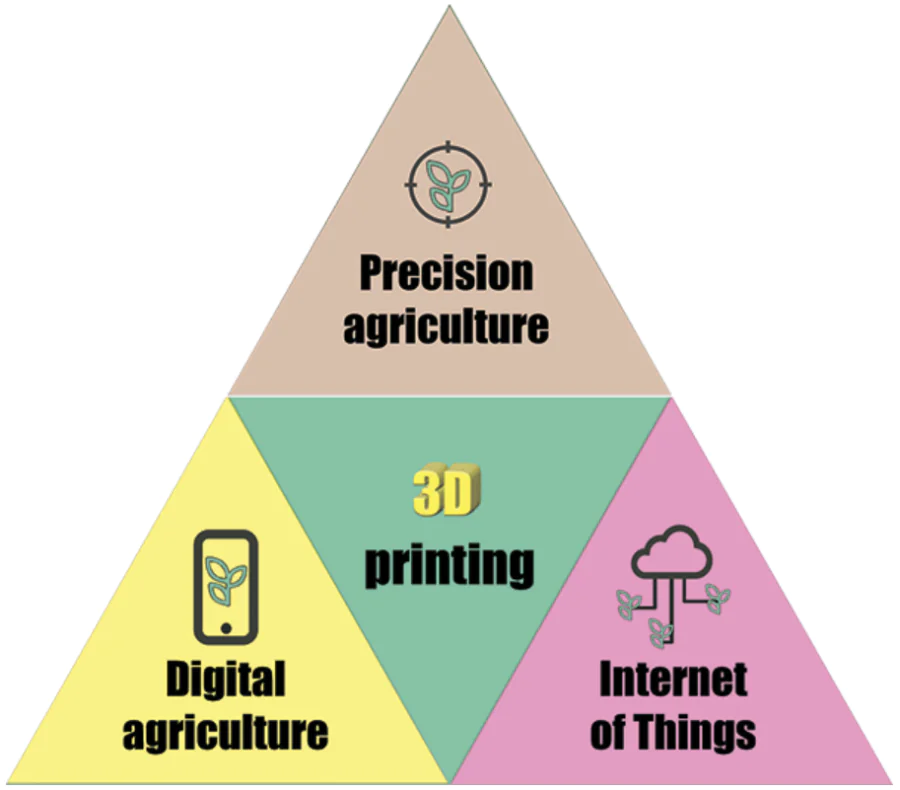
According to forecasts,[13][14] these problems can be significantly solved through the widespread introduction of automation and precision agriculture practices — agricultural production that takes into account natural spatial, temporal, and weather conditions in order to improve productivity and product quality while minimizing environmental impact. The logical next step in the development of this approach is digital agriculture, a concept that involves the integration of precision farming and livestock breeding into a single digital ecosystem.
Throughout the 20th century, the main direction of agricultural development was the expansion of production scale — an increase in the size of fields and farms, an increase in the size and number of machines, the scale of processing, and the maximum possible standardization. Precision farming (like precision animal husbandry) proposes an individual approach to the smallest possible units: units of time (rapid response to changes), soil plots, individual plants, and animals. Precision agriculture allows agricultural production to be adapted as flexibly as possible to existing natural conditions and needs, thereby reducing the anthropogenic impact on the environment. Such a precise approach is made possible by the development of information technology, robotics, and the individualization of the production of many products that were previously available mainly in mass production. The problem with implementing precision farming lies primarily in the need for regular and continuous measurement of current indicators (soil, plant, and animal conditions) at several points for each elementary plot and the corresponding operational readjustment of equipment (correction of fertilizer dosage and composition, the need for treatment with pesticides or growth stimulants, precision irrigation) as the crop matures.[15] This problem is solved by the introduction of digital agriculture, which is based on an end-to-end data cycle: from collection using sensor networks to analysis, modeling, and automated control. Through the use of additive technologies, digital agriculture is becoming as automated, cost-effective, and environmentally neutral as possible.[16][17]
However, the implementation of the principles of precision and digital agriculture is fraught with a number of difficulties: (1) the rigidity and high cost of manufacturing agricultural machinery and electronics components, which is only justified in large-scale production, making it unprofitable to produce specialized parts for repairing unique equipment or prototypes of new devices for small and medium-sized farms; (2) long delivery times and high prices for original spare parts for agricultural machinery are a significant limitation, since, unlike in conventional production, many operations cannot be postponed for several weeks while waiting for repairs, as this can have a critical impact on the amount of produce obtained during the season; (3) the problem of adapting equipment to local conditions, especially for small farms, as well as farms located in specific soil and climatic conditions or engaged in the cultivation of niche crops that require non-standard tools; (4) the significant environmental footprint due to the use of certain types of equipment and machinery.
Additive technologies are a key tool for overcoming a number of limitations. In addition to the conceptual issues described above, a number of specific practical needs are also important. For agricultural producers in low-income regions, the ability to replace broken agricultural machinery parts with locally manufactured parts is critically important, as small farms cannot always afford to purchase original parts. Small farms usually require more frequent maintenance and repair of equipment because, in many cases, they cannot afford to buy new equipment and are forced to purchase used or even decommissioned equipment that has exceeded its standard service life. Another feature of small farms is the need for more compact, lightweight, and less commercially available equipment. Large agricultural equipment is expensive to maintain and operate and is not well suited for working small fields. In addition, agricultural production still relies heavily on manual labor (e.g., harvesting fruits and vegetables), which is difficult or expensive to automate. Additive technologies make it possible to economically manufacture products with complex geometries in small batches or on demand, which perfectly meets the needs of farmers for rapid repair and customization of equipment and allows agricultural producers and researchers to comfortably develop and test new technical solutions tailored to the needs of a particular farm, which solves three of the above problems at once.[18] The use of biodegradable materials in additive manufacturing eliminates the problem of machine parts, sensors, and plastic microparticles entering the environment.
This review is devoted to analyzing the potential of additive technologies (3D printing) as a key tool for overcoming barriers to the digitalization of the agro-industrial complex. The work is addressed to a wide range of specialists: researchers and developers of applied solutions, engineers, agronomists, designers of agricultural robotics, materials scientists, as well as operational and strategic farm managers interested in transitioning to sustainable and high-tech production models. The uniqueness of the proposed analysis lies in its systematic consideration of the relationship between additive technologies, materials science, and agricultural needs, demonstrating the potential that arises at the intersection of these disciplines for creating of environmentally sustainable technologies and innovative devices. Particular attention is paid to the critical role of chemical innovation in the synthesis and modification of materials with specified properties (biodegradability, resistance to aggressive environments), the development of sensor coatings, and the functionalization of surfaces.
2. 3D printing in agriculture
Research findings show that the range of products manufactured using 3D printing for the agro-industrial complex covers all levels of scaling — from the creation of functional materials with a specified nanostructure to the production of machine parts and infrastructure elements. Thus, additive technologies cover a wide range of linear dimensions — from the molecular level (~ 0.1 nm) to solutions that allow the integration of large agricultural facilities covering square kilometers into a single system (Fig. 1).
![[{"id":"MSOD8PXwJF","type":"paragraph","data":{"text":"Application of 3D printing and additive technologies at different scales for facilitating agricultural development"}}]](/storage/images/resized/x0ePeJornlDKjjnVfh90xTKfrrrI08KM4hoTOsYr_xl.webp)
At the molecular level, there is a demand for the development of improved materials. In particular, agricultural by-products (straw, husks, oil cake) serve as a source of biodegradable fillers and raw materials for polymer synthesis, creating a closed ecological cycle: agricultural products become material for additive manufacturing, and objects printed from them decompose after use without harming the environment. Water purification and desalination for agro-industrial complexes are carried out using membranes and micro-relief surfaces, which can be manufactured using micro-level 3D printing (tens and hundreds of nanometers).
Sensors represent a product class in the ~ 1 mm size range that are produced using 3D printing. They monitor various indicators, allowing for a rapid response to changes and increasing agricultural productivity. The use of 3D printing makes it possible to minimize costs and customize their production. Additive technologies are used to fabricate microfluidic systems, consisting of channels with a diameter of several micrometers or millimeters. Such systems are used in analytical devices, as well as in soil porosity modeling.
An essential application area for additive technologies in agriculture is the fabrication of devices and their parts, which makes it possible to speed up the repair of equipment and modify it for specific, sometimes non-standard, tasks. The automation of agricultural production is achieved through the use of robots, the development of which involves not only programming, but also additive technologies that enable rapid prototyping of products. Another important class of devices that are taking agricultural production to a new level are farmbots. These are automated mini-farms measuring several square meters, designed to perform a wide range of operations automatically. The use of 3D printing to manufacture parts and working units for mini-farms reduces their development time and facilitates the transition to the practical operation stage. Soil is a promising material for construction printing: using it to make complex structures directly on site expands the possibilities of landscape design and sustainable construction, and also develops the concept of ‘green’ eco-friendly cities. Finally, the listed classes of devices (sensors, robotic systems, etc.) together contribute to the implementation of the concepts of digital farms and the Internet of Things (IoT), which represents the next stage in the development of agricultural production.
2.1. Prospects and challenges for the introduction of additive technologies in agricultural production
Additive technologies open up new opportunities for agriculture by the enabling local, flexible, and cost-effective production of a wide range of products. Their key advantage over traditional methods is the ability to manufacture parts with complex geometries of virtually any configuration without the need to retool expensive production lines, which is critical for rapid repair and customization of equipment. This not only reduces downtime and costs for small farms, but also solves more strategic tasks: reducing the weight of agricultural machinery to mitigate soil compaction and save fuels and lubricants, as well as enabling the development and quickly testing new or modified tools and devices adapted to the specific conditions of a particular farm.
Moreover, additive technologies serve as the material basis for the transition to precision and digital agriculture. The ability to produce Internet of Things (IoT) sensors and components for autonomous systems — including housings, mounting elements, and the sensor elements themselves — paves the way for the creation of environmentally friendly, including biodegradable, sensor networks for real-time environmental monitoring. However, despite their significant potential, the widespread adoption of additive technologies in the agro-industrial complex faces a number of technological and materials science limitations.
The most widespread 3D printing methods as fused filament fabrication (FFF) or fused deposition modeling (FDM) and stereolithography (SLA) have become widespread. These methods allow products to be manufactured from a wide range of materials: thermoplastics and their composites using the FFF method and photopolymer resins for SLA. However, in some cases, it may be necessary to manufacture products from metals, which can be achieved via methods such as selective laser melting (SLM) technology among others, which are becoming increasingly accessible despite the still relatively high cost of the process.
Fused deposition modeling and stereolithography are the most accessible and easily implemented additive manufacturing methods. This makes the question of their applicability in agriculture highly relevant. In this sector, products must be resistant not only to mechanical stress but also to chemical exposure (to pesticides, fertilizers, organic acids), ultraviolet radiation, and temperature fluctuations, all while maintaining high quality. 3D printing involves the layer-by-layer manufacture of products from the bottom up, which can lead to various defects: deviations in shape and dimensions from the digital model, pore formation, and blockage of designed internal channels,[19] which can result in poor-quality products that require additional processing or are completely unsuitable for use. The parameters of 3D printing and the geometric shape of a part critically influence layer bonding quality, which is determined by the degree of contact area between layers, the value of interlayer adhesion, and, as a result, the probability of pores forming between layers. The most effective interlayer contact is observed in cubic and cylindrical products, where the layers are clearly positioned on top of each other. The edges and corners of products are most susceptible to defects.[20] Understanding the causes of these defects can help in selecting appropriate strategies to prevent or minimize their occurrence.[20]
For widespread use in agricultural technical support, materials used in additive manufacturing must meet requirements for strength, durability, resistance to mechanical stress, chemical exposure (pesticides, fertilizers, organic acids), ultraviolet radiation, and temperature fluctuations. More specific requirements for 3D printing materials may include softness, flexibility, and electrical conductivity. At the same time, it is essential that the materials are environmentally friendly and biodegradable under natural conditions. A crucial first step is obtaining an accurate 3D model of the required part with a known structure and clear geometric parameters. In this case, there are three options for solving this problem: (1) 3D scanning; (2) independent design; (3) searching for the required models in repositories. The first option is automated and convenient, but high-precision scanning technologies are currently expensive and inaccessible to small farmers. The second option is the most common. In this case, 3D modelling skills using specialized software are required. Finally, the third option has become possible thanks to the widespread development of a community of designers, engineers, and 3D printer users. There are a number of repositories containing many STL files of various models (e.g., Thingiverse,[21] MyMiniFactory,[22] etc.). These repositories contain 3D models of various objects — art, design, technology — that can be manufactured using additive technologies. However, in some cases, post-processing may be required, such as grinding, due to suboptimal printing parameters and the formation of defects.
Thus, the key challenges for implementation are not only the technological limitations of the printing methods themselves, but also the development of new specialized materials and the creation of an accessible digital ecosystem (models, databases) for the needs of the agro-industrial complex.
2.2. Materials for 3D printing
The printing material is primarily determined by the printing method. The most common filament fabrication method uses thermoplastic polymers. These materials become viscous at specific temperatures, enabling the extrusion of filament to form the desired product. The main advantages of this printing method are the availability of 3D printers and a wide range of materials. Among the wide variety of such materials, the most commonly used are polylactic acid (PLA) and acrylonitrile butadiene styrene copolymer (ABS), as well as their composites with various fillers (so-called general-purpose materials). Common engineering thermoplastics include polyethylene terephthalate glycol (PETG) and polyamide (PA). Each of these materials has its own advantages and disadvantages (Table 1). For example, one of the most environmentally friendly materials, PLA, tends to decomposition upon contact with soil.[23] In addition, polylactide products can swell and undergo accelerated degradation when interacting with organic acids, which are always present in soils, manure, and plant decomposition products. At the same time, products made from other widely used materials, such as polypropylene (PP) and polyamide, demonstrate higher resistance to aggressive environments and organic solvents.[24] However, engineering and super-engineering plastics with increased resistance to external influences and improved strength characteristics are becoming increasingly available.[25][26]
Another common printing method is stereolithography, which involves treating liquid photopolymer resin with a UV laser beam. This causes the resin to cross-link, leading to its hardening. The main compositions used in this method are resins based on polyacrylates and polyethers.[27] The main advantages of this printing method are the availability of 3D printers and high printing accuracy.

Less common but gaining popularity, are layer-by-layer powder sintering methods such as selective laser sintering (SLS) and selective laser melting (SLM). The materials used in these methods are polymers (SLS) and metals or alloys (SLM). The main limitation of these methods is the high cost of equipment. However, due to the advantages of these printing methods (high strength of the resulting products), they are becoming increasingly widespread.
2.3. Molecular level
Agriculture is a source not only of food, but also of raw materials for bioplastics and fillers for composite plastics (e.g., vegetable fats and oils, straw, wood chips), as well as fibers used in other industries. Such materials meet environmental requirements due to their ability to decompose under natural conditions. On the other hand, most of the most common materials used in 3D printing are often of artificial origin (polymers, binders, etc.) and can have a negative impact on the environment for a number of reasons, such as the slow decomposition of these materials, the formation of microplastics, the accumulation of plastic waste, etc. The introduction of agricultural products into printing materials will reduce the negative impact on the environment, in some cases improving the performance characteristics of such biocomposites and products made from them.[31-36] 3D bioprinting is a broad field of research developing approaches to printing with biopolymers (proteins, polysaccharides, etc.) and living cells.[37-40] A related new trend is food bioprinting using meat and fish cells and their plant analogues.[41-45]
Many agricultural by-products of residue considered waste can be used as materials for additive manufacturing.[46-52]Among the materials most attractive as fillers due to their availability are naturally occurring polymers such as lignin, cellulose, and hemicellulose in various forms, including fibers and crystals.[53-57] However, chemical modification of these fillers is required to improve interfacial adhesion. For example, it has been shown that the surface of cellulose fibers can be modified by acetylation, carbanylation (binding of isocyanic acid to the functional groups of cellulose fibers), and silylation.[58][59] while carboxylation, esterification, and benzylation are applicable to hemicellulose.[60-62] Methods of lignin derivatization include alkylation, acetylation, silylation, esterification, and hydrolytic condensation.[63-65] In addition, wood processing industry waste can also be used as fillers for the development of polymer composites.[66][67]
Agriculture is also a source of raw materials for the synthesis of polymers without fillers.[68-70] Polylactide, for example, has thermoplastic properties and is widely used in 3D printing by fused filament fabrication. It is obtained by polymerizing lactic acid, synthesized enzymatically from carbohydrate raw materials, or its dimer, lactide. The advantage of this material is its biodegradability.[71] However, this material has poor strength characteristics and is unstable when exposed to various factors (for example, chemical reagents and high temperatures).[24] Agricultural products are also used to create materials with improved properties. For example, glucose formed by cellulose hydrolysis can be isomerized to fructose and subsequently dehydrated to form 5-hydroxymethylfurfural (5-HMF) in the presence of Lewis acids. Polymerization of its derivative, furandicarboxylic acid (FDCA) yields poly(ethylene-2,5-furandicarboxylate), whose resistance to dichloromethane exceeds that of PLA, ABS, and PETG (Fig. 2).[72]
![[{"id":"rUKIGzOD3J","type":"paragraph","data":{"text":" Synthesis of furan-based polymers from biomass.<sup>72</sup> © John Wiley & Sons, Inc, 2017."}}]](/storage/images/resized/3micQunUoKulYeZPywvzVrFNMWqWY3yKAIEgAk37_xl.webp)
In addition, 5-HMF derivatives are raw materials for the chemical industry and can be used as a second component in a mixture with PLA to improve a number of its properties.[73]
3D printing using biocomposites is a promising new direction. Such materials contribute to reducing the weight of components and meeting environmental standards and are used in the automotive industry (polymer composites and materials based on wood, cotton, flax, hemp for the manufacture of interior panels, etc.),[74] construction (biocomposites including wood flour, wood chips, and other lignocellulosic fillers for the production of decking, exterior cladding, fencing, and even large-format architectural structures created by extrusion 3D printing),[75] medicine (biocompatible composites based on lignin and nanocellulose for creating scaffolds for tissue engineering)[76] and other areas.
2.4. Membranes
Membranes are a central element in a number of processes in agriculture and related fields. Modern membrane production is a complex, labor- and resource-intensive process, but, as in many other areas, additive technologies allow membranes to be manufactured rapid, inexpensively, and in small batches, which is important for small-scale production.[77][78] In agriculture and related industries, membranes are used in water desalination processes (described in detail in section 2.6). This is extremely relevant, as one of the most pressing global challenges is the shortage of fresh water for irrigation, animal husbandry, and human physiological needs, and this problem is only getting worse over time.[79][80] Membranes are also used in sensors and microfluidic devices designed to monitor agricultural production indicators.[81-83]
3D printing is not yet applicable for direct printing of desalination membranes with submicrometer (for membrane distillation) and subnanometer (for reverse osmosis) pore sizes [84][85] However, it enables the modification of commercial membranes to increase their efficiency: preventing biological fouling, accumulation of salts extracted from water on the membrane, and developing more efficient components of membrane modules, such as spacers, holders, and complex-shaped water feeders.
Additive technologies are a promising way to apply coatings to membranes to improve their properties. They allow for greater precision and control in applying the coating material compared to conventional methods (e.g., dip-coating), as they do not require the difficult-to-control removal of excess liquid. For example, inkjet printing can be used to apply a solution of a monomer-diamine (2,2-bis(3-amino-4-hydroxyphenyl)hexafluoropropane or m-phenylenediamine) to an ultrafiltration polysulfone membrane. Subsequent polymerization of the monomer produces a modified membrane with more developed salt-repellent properties (up to 98%).[86][87] Seo et al.[88] showed that DLP printing (Digital Light Processing, belongs to the group of vat photopolymerization methods) using a photopolymer resin comprising diurethane dimethacrylate and polyethylene glycol diacrylate oligomers, dipentaerythritol penta- or hexaacrylate (the crosslinking agent) and 4-vinylbenzyl chloride (the monomer) allows the production of structured anion exchange membranes with a relief pattern. It has been shown that structured anion-exchange membranes with a given surface relief made of PLA, printed via 3D printer and modified with carboxyl groups, are a suitable basis for the layer-by-layer synthesis of copper hexacyanoferrate. The filters obtained in this way demonstrate high efficiency in the ammonium reduction process.[89] This allows the geometry of fluid movement across the membrane to be changed, creating a layer mixing effect and, as a result, changing the permeability of the membrane and its water absorption (Fig. 3).[90]
![[{"id":"HKXxBkLbqN","type":"paragraph","data":{"text":"Micrograph of a patterned membrane.<sup>90</sup> © American Chemical Society, 2019."}}]](/storage/images/resized/t0rb64FpayNKIvtyIWafPqE3sL1xIYcAYAcAhgc5_xl.webp)
One of the most significant disadvantages of membrane desalination is membrane fouling — biological contamination and precipitation of particles from water (soluble and insoluble, organic and inorganic). The main methods of preventing this are surface and structure modification (changing hydrophilicity and reducing surface roughness) and water pretreatment. It has been shown that carbon allotropes such as carbon nanotubes and graphene oxide can significantly increase hydrophilicity and water permeability and reduce fouling of reverse osmosis membrane surfaces.[91-94]
In addition to the development and modification of the membranes themselves, 3D printing can also be used for prototyping separation gaskets with different geometries in spiral-wound membrane (SWM) modules (Fig. 4).[95] An SWM module consists of a polymer membrane, a separator, and a filtrate carrier wound around a perforated central tube. These are mesh structures designed to improve the mixing of purified water between the membranes and to promote the primary precipitation of contaminants. One study showed that SLS printing with polypropylene is applicable for the manufacture of separation spacers for spiral-wound modules.[96]
![[{"id":"dwYS2Av4s_","type":"paragraph","data":{"text":"Schematic illustration of a spiral-wound membrane module (SWM).<sup>95</sup> © Elsevier B.V., 2022."}}]](/storage/images/resized/iIn8OSYWD6cnJ7pK8MJkilAXOa0Rq1A1UXacQfEo_xl.webp)
Yanar et al.[97] demonstrated that PP, ABS, and PLA are suitable for manufacturing feed devices. In addition, they compared the resulting devices with commercially available ones and showed that performance depends on the printing material (Fig. 5). Spacers made of PP and PLA proved to be the most effective.
![[{"id":"zi-93DU9AL","type":"paragraph","data":{"text":"Feed spacers 3D printed with different thermoplastics.<sup>97</sup> From left to right: commercial, printed from PP, ABS, PLA. © Elsevier B.V., 2018."}}]](/storage/images/resized/SDPLD7H1DlCdwvQsZOypXR6HnmaYzTaQZn993kQz_xl.webp)
Subsequently, the same authors demonstrated the main advantage of 3D printing for such tasks — the ability to quickly design and test spacers with geometries different from those commercially available to improve cleaning efficiency. In subsequent work, the authors demonstrated the effectiveness of the hexagonal geometry spacers they developed (Fig. 6).[98] This approach — modeling → printing → testing — greatly accelerates the search for optimal solutions. There is no need to order expensive manufacturing of each version externally; prototypes can be quickly created, including using models from publicly available libraries, and immediately tested in operation. This opens up wide opportunities for optimizing equipment directly for the specific needs of agriculture.
![[{"id":"BtOz6qDUNr","type":"paragraph","data":{"text":"3D printed hexagonal geometry feed spacers with differ ent orientations.<sup>98</sup> From left to right: commercial, hexagonal (V-orientation), hexagonal (H-orientation). © Elsevier B.V., 2020."}}]](/storage/images/resized/DEuGg47AgLunYE22oVDNiVffSQ8qFLTAEIEsrdVy_xl.webp)
A number of studies have proposed the concept of devices with more complex geometry, which has been pre-optimized for efficiency using mathematical methods, with modeling of triple periodic minimal surfaces (TPMS). The manufacture of such separators is only possible using 3D printing (Fig. 7). The authors used SLS printing with polyamide.[99-102]
![[{"id":"x41pwlQy4l","type":"paragraph","data":{"text":"SEM images (top view) of commercial separators and 3D-printed TPM separators.<sup>100</sup> From left to right: commercial, Schwarz surface, transverse surface, gyroid, Schwarz primitive, Fischer-Koch surface. © Elsevier B.V., 2018."}}]](/storage/images/resized/fUb688CWzSPmVfF1mS0KDYm8BxIm7sd2Nd2DhDz9_xl.webp)
Functionalization of the printing material also improves water purification efficiency. For example, modification of the surface of a polyamide-printed separator material with FeOOH nanorods enables photocatalytic decomposition of contaminants that penetrate inside.[103] Structures of different topologies made using FFF printing with PLA composite with nanoscale TiO2 have similar properties.[104]
The membranes can be used in microfluidic reactors, for example, as disposable sensors. Thus, Li et al.[105] proposed a disposable sensor for determining nitrates in soil, which is a system of two chambers separated by a membrane: one contains Griess reagent, a standard reagent for determining nitrite ions, and the other contains a soil extract* or a suspension with the addition of zinc dust to reduce nitrates to nitrites. As a result of the solution passing through the membrane, the Griess reagent turns red in the presence of nitrate salts. The authors propose using multi-material FFF printing to manufacture the membrane for the simultaneous formation of the ABS plastic body, the membrane, and the filling of one of the chambers with the Griess reagent. The membrane was formed from commercial Lay-Felt composite filament, from which the water-soluble component was washed out after printing, resulting in a porous membrane structure (Fig. 8).
![[{"id":"tWsR8--ur5","type":"paragraph","data":{"text":"Two-component 3D printing of a disposable nitrate sensor: (<i>a</i>) sensor printing; (<i>b</i>) printing of the layfelt membrane; (<i>c</i>) introduction of Griess reagent; (<i>d</i>) completion of the printing process.<sup>105</sup> © American Chemical Society, 2017."}}]](/storage/images/resized/Jn0f7YY00ffxjfpoaXwsveNsf6r8JBCov2sRqU1x_xl.webp)
* Soil extract — the liquid phase extracted from soil during chemical analysis by treating the sample with a specific solvent (water, salt solution, acid) for subsequent determination of the content of mobile forms of nutrients or contaminants.
2.5. Sensors
Modern computing power and the prevalence of wireless technologies enable the rapid and efficient collection and processing of large amounts of information using mathematical modeling, machine learning, and neural networks for precision agriculture.[106] While traditional industrial farming methods involved the uniform cultivation of large areas of land, for which averaged data within a field or herd was sufficient, precision farming requires much higher resolution information. Ideally, precision farming requires continuous monitoring not only of meteorological data, but also of the condition of each individual plant, animal, and elementary soil plot, with constant real-time processing.[107] Based on the data obtained, the control system can make decisions autonomously or signal the operator about the need for intervention. Although modern software and computing power are already sufficiently advanced to perform such tasks, there are still relatively few devices capable of recording the necessary parameters. Most commercially available sensors are either designed for mass production or are prohibitively expensive.
However, with the right developments, additive technologies will allow all agricultural producers — from individual farmers and amateur growers to large agricultural holdings — to manufacture the necessary sensors on demand and in the required quantities at a relatively low cost.[108] Thus, additive manufacturing brings agriculture closer to full automation.
The vast majority of the sensors described below are used primarily for scientific purposes and are early prototypes. These are wired devices that are inconvenient to place on the objects being observed. Nevertheless, even such sensors are a step towards accurate, highly automated autonomous agricultural production, adapted to local soil and climatic conditions and requiring minimal labor and time per unit of production. Additive technologies allow agricultural producers to reduce their dependence on factory-produced components, except in cases where their mass production is truly justified by widespread use and economic efficiency.
For the purposes of description, all agricultural sensors are divided into the following groups: (a) plant condition sensors, e.g., for assessing growth rate, moisture content, and photosynthetic activity; (b) soil sensors for measuring key soil parameters (moisture, temperature, pH, electrical conductivity, etc.); (c) sensors for determining various product characteristics, allowing, for example, the detection of adulterated milk by analyzing its main parameters, as well as determining the content of salicylic acid, used as a plant growth regulator, in agricultural products; (d ) water characteristic sensors; (e) sensors for meteorological indicators; (f) sensor systems for automated decision-making on adjusting or compensating for changes in environmental conditions; and (g) other sensors.
2.5.1. Plant condition sensors
The most important plant condition parameters for agronomists are nutrient and moisture availability and the plant’s growth stage.
Currently, there are no sensors for directly determining the nutrient supply to plants — this task is solved exclusively by chemical analysis methods. However, scientific literature describes non-stationary, non-contact systems for indirectly assessing plant nutrient availability based on leaf color characteristics, such as a plant nitrogen status detector with a 3D-printed light-shielding cap that provides uniform conditions for recording leaf color, and a multispectral plant condition sensor for assessing chlorophyll content in leaves, assembled in an individual 3D-printed housing (Fig. 9).[109] Such sensors allow for rapid integrated assessment of the overall condition of plants and timely identification and elimination of the causes of deterioration.[110][111] These devices work in conjunction with a smartphone and are a convenient tool for rapid monitoring of plant condition in open ground or greenhouse farms. Potentially, such data can be collected by small agricultural robots, both controlled and fully autonomous. In both cases, the sensor modules are assembled from commercially available components, and their housings are manufactured using 3D printing.
![[{"id":"t8tKxSrFr2","type":"paragraph","data":{"text":"A light-protective cap for a plant nitrogen status detector (Soil Plant Analysis Development indicator) fabricated using 3D printing: (<i>a</i>) the cap and its components, (<i>b</i>) interaction between the sensor and the mobile application.<sup>109</sup> © Elsevier B.V., 2021."}}]](/storage/images/resized/9pV9maijBngfiWQ7O4xHjeEzEouB63TmK5OwQ9oE_xl.webp)
A number of studies have proposed stationary sensors located directly on plants and capable of continuously monitoring their condition in real time.[112-114] For example, Nassar et al.[115] proposed autonomous and wireless detectors (albeit requiring individual power sources) that are attached to the surface of plants using an adhesive layer: a strain gauge sensor for plant growth rate, consisting of a conductive layer on a polymer substrate made of polydimethylsiloxane (PDMS) and a complex sensor for continuous monitoring of microclimate indicators (temperature and humidity) in the air layer directly above the leaf plates. Data from the sensors is transmitted via Bluetooth, allowing remote monitoring of each plant and timely measures to be taken to optimize local growing conditions, which leads to increased crop productivity (FIg. 10).[115]
![[{"id":"saAVdmKW-D","type":"paragraph","data":{"text":"Flexible ultralight sensors for monitoring microclimate indicators: (<i>a</i>) photo of the sensor and (<i>b</i>) sheet plate with the sensor applied.<sup>115</sup> © Springer Nature Ltd., 2018."}}]](/storage/images/resized/92QXqM3csZFVNUhSBtTpyAmNQQnmC86RQyravbdw_xl.webp)
Similarly, graphene tracks formed from an aqueous suspension on a pre-prepared PDMS substrate using soft lithography can change their electrical conductivity depending on humidity, which allows the intensity of water evaporation by the plant and, consequently, its moisture supply to be measured.[116] Another method for monitoring the combination of light and moisture availability is based on controlling the activity of the stomatal apparatus.* An example of this is an electromechanical sensor for stomatal opening in the form of a strip of conductive ink based on graphene nanoparticles, applied by direct printing onto the surface of the leaves.[117]
For impedance measurement of water content in plants, permanent electrodes based on p-doped poly(3,4-propylenedioxythiophene) (PproDOT-Cl) can be applied directly to the leaf plate by vapor deposition (Fig. 11).[118]
![[{"id":"yOeQaLG1wD","type":"paragraph","data":{"text":"PProDOT-Cl electrode applied to a plant by vapor printing.<sup>118</sup> © American Association for the Advancement of Science, 2019."}}]](/storage/images/resized/RXBDsO87aBvBJ2wfhrg1xiclfiLxj0BzHnUe3OPD_xl.webp)
An array of microneedles can be used as a sensor for direct non-destructive monitoring of plant plasma using impedance spectroscopy. Such a sensor can be produced by stamping using a master mold,** created using two-photon laser stereolithography, which provides an optimal combination of technological simplicity and manufacturing precision.[119] Various versions of 3D-printed microneedle sensors have been developed to determine pH levels,[120] glucose content,[121] hydrogen peroxide,[122] electrochemical indicators[123] etc.[124]
FFF method is widely used to print contact sensors for monitoring plant condition. In particular, it was used to manufacture a sensor housing from ABS plastic that measures the speed of sap movement in a plant, which allows for an indirect assessment of transpiration intensity, which in turn can be used to assess the moisture supply of the plant and its overall condition.[125]
* Stomatal apparatus — a system of regulated pores (stomata) in the covering tissues of plants, through which gas exchange and water evaporation (transpiration) occur. Transpiration is the process of water evaporation by plants, mainly through the stomata. The intensity of transpiration directly correlates with the degree of stomatal opening and serves as an indicator of the plant’s water status.
** Master mold — a reference model used as an original for the manufacture of molds in mass production. In the context of additive technologies, master molds are created using precision 3D printing methods (e.g., two-photon laser stereolithography), which allows the manufacture of complex microstructures, such as arrays of microneedles.
2.5.2. Soil sensors
Soil condition is one of the key factors determining crop productivity. Monitoring soil parameters allows not only recording of soil characteristics, but also making timely adjustments to optimize fertility. Wireless technologies make it possible to collect data from large arrays of sensors even in field conditions. Passive sensors with antennas for monitoring soil moisture allow a drone to read information at a distance of up to 300 m and apply it to a field map. For example, Gopalakrishnan et al.[126] developed a passive wireless sensor based on a capacitive antenna whose resonance frequency depends on soil moisture. Such sensors can be manufactured on-demand using 3D printing, even using biodegradable materials. Being chip- and battery-free, they have a low production cost and do not need to be collected from the field and disposed of after the growing season. The reading antenna sends a signal to the tag and analyzes the resonant frequency of the returned signal, which depends on the geometry of the resonator and the humidity of the environment surrounding the tag. The sensor is designed in one of two variants: (1) a thin metal strip (Zn, Cu, or Al) between two layers of plastic (PLA or polyethylene terephthalate (PET)) or two layers of paper; (2) a flat plate with a capacitive element in the form of a graphite or silver counter-pin electrode on a glass-epoxy or fully degradable wooden substrate (Fig. 12).[127][128]
![[{"id":"GIu7PMzDGH","type":"paragraph","data":{"text":"Sensors for measuring soil moisture: calibration of sensors using (<i>a</i>) a radio frequency LCR meter, (<i>b</i>) a measuring unit developed by the authors; soil moisture sensors printed on a glass epoxy substrate (<i>c</i>) (from left to right): Cu, Ag, carbon applied by microdispensing (CMD), and carbon applied by screen printing (CSP), and (<i>d</i>) CSP on a wooden substrate.<sup>128</sup>© MDPI (Basel, Switzerland), 2018."}}]](/storage/images/resized/YjTVQAshPW2DlfyG4nJvlqdWakyy41k0wtuGxL6Q_xl.webp)
A capacitive soil moisture profile* probe is not automatic, but it allows moisture to be recorded not only on the surface but also in the underlying soil layers. This probe consists of a PET film with copper electrodes applied to it, which is a relatively inexpensive and compact solution and allows rapid assessment of soil moisture.[129]
Monitoring soil temperature allows fields to be cultivated at the optimal time, irrigation rates to be calculated, crop and weed growth conditions to be analyzed, and the likelihood of disease to be predicted. Temperature sensors are among the most widely used sensors. Sui et al.[130] proposed a method of inkjet printing a thermistor on cellophane tape or polyethylene film commonly used for mulching using silver ink. This technology allows the creation of environmentally friendly temperature sensors, and the integration of chip-free tags into such thermistors opens up the prospect of creating wireless sensors for continuous remote monitoring of soil and air temperature simultaneously at multiple points on agricultural land.
An important indicator of soil condition is its electrical conductivity. Although electrical conductivity does not replace completely equipped laboratory analyses, it serves as a useful integral parameter for the rapid assessment of overall soil fertility, including humus content, pH level, moisture, and saturation of the soil absorption complex. Comparing the obtained values with reference indicators allows for more accurate determination of the boundaries of homogeneous soil areas.
For comprehensive sequential analysis of nitrite content, which is important for plants in moderate concentrations but toxic when released into water, as well as for measuring pH and electrical conductivity in soil extract, a microfluidic sensor integrated into a homemade analyzer can be used.[131] The soil extract is fed evenly from a syringe using a stepper motor, first to the pH measurement electrode. The sample then enters a PDMS microfluidic cell, manufactured using a PLA mold, where copper electrodes measure the electrical conductivity of the liquid based on the voltage drop. After that, the sample is directed through a microchannel to a reservoir with Griess reagent, where the degree of solution staining is automatically recorded to determine the nitrate content. To ensure the accuracy of nitrate measurements, the entire cell is placed in a light-tight enclosure made of ABS plastic. The system is controlled by an Arduino-based controller, and the data obtained is transmitted to an Android-based phone for further processing.
Sensors for monitoring physical characteristics (temperature, humidity, light intensity, CO2 concentration) have long been used successfully, especially in greenhouse cultivation. However, the analysis of soil chemical parameters is still mainly carried out using laboratory methods, which are costly, time-consuming, and allow for only a limited number of samples, making it impossible to take a large number of measurements during the growing season. Additive technologies enable the fabrication of a wide range of sensors for analyzing soil chemical parameters, including assessing the bioavailability** of heavy metals, the concentration of nutrients and nitrates in soil and groundwater, as well as the level of soil contamination with specific pesticides.
Currently, most ‘rapid’ sensors operate by measuring physical quantities, while chemical parameters, if they can’t be indirectly assessed by physical methods, often get overlooked by researchers. The ‘electronic tongue’ is a neuromorphic (biomimetic) sensor that enables the concentration of ions in the soil to be determined[132] (in the cited study, the concentration of K+ ions was measured, but a similar principle can be applied to detect the ions of other substances that are important for agricultural production). The introduction of such sensors is a significant step in the development of smart agriculture. This sensor acts as a true chemical probe, functioning similarly to taste receptors. The ‘electronic tongue’ can consist of an ion-selective electrode, an electric generator, and a synaptic transistor. All components of such a probe, with the exception of the electronics that process incoming signals, can be manufactured using 3D printing.
The ‘electronic tongue’ can be assembled based on an impedance sensor that allows the concentration of plant nutrients in the soil solution to be assessed, or in the form of an electrode made of commercial PLA doped with graphene fibers, manufactured using a 3D printer by the surfacing method and functionalized with several types of nanostructured films (Fig. 13).[133][134]
![[{"id":"EbFW8YKF38","type":"paragraph","data":{"text":"(<i>a</i>) 3D printed interdigitated electrode. (<i>b</i>) 3D profilometry mapping of the printed electrode.<sup>133</sup> © Frontiers Media S.A., 2018."}}]](/storage/images/resized/3NDbnxOucInAZn7gT73rzZyPnBTwl8vHwfHIBv01_xl.webp)
According to the researchers,[133][134] devices of this type are well suited for distinguishing between samples enriched with one or another macronutrient (a key plant nutrient (N, P, or K)), but do not yet provide quantitative information, recording only deviations in soil composition from a reference sample. These integrated sensors actually read the final result of the action of many factors on an object and compare it with a set of templates, selecting the most suitable option. This approach also involves the development and training of a neural network to recognize the signals received. Currently, the ‘electronic tongue’ is manufactured using photolithography and microprocessing methods, which are costly, labor-intensive, and require special equipment and qualified personnel. However, 3D printing already allows such sensors to be produced on demand.[133][134]
Measuring such an important soil indicator as nitrate content allows for prompt adjustments to be made to the fertilization schedule, since excessive accumulation of nitrates can lead to their leaching into groundwater or surface water bodies, while a deficiency can result in crop failure. Significant concentrations of nitrates are toxic to both animals and humans. The nitrate content in soil can be determined using a potentiometric method.[135] Placing a potentiometric sensor with solid-state electrodes in a 3D-printed housing made of biodegradable polymer with micropores for self-filtering of soil solution allows the nitrate content to be determined directly in the field without the need for sampling for laboratory analysis. The sensor is manufactured using screen printing: silver ink is applied to a pre-treated cellulose acetate substrate, after which one of the electrodes is treated with FeCl3 to form a silver chloride electrode. The structure is then encapsulated with light-curing epoxy resin, and the working electrode is coated with a nitrate-selective membrane (polyvinyl chloride, tetrahydrofuran (THF), tetra-n-octylammonium bromide as an ionophore, di-n-butyl phthalate as a plasticizer), which selectively reacts to NO3– ions, ignoring other substances in the solution. The entire system is housed in an SLA-printed casing with 1 mm diameter pores.[135] For voltammetric determination of nitrates in water from aquaculture farms,*** a fully 3D-printed electrochemical cell with a modified silver electrode can be used, manufactured by inkjet printing using ink containing silver nanoparticles. As with similar devices, the system allows for in situ analysis without sampling. Thanks to its modular design, various working electrodes can be installed in the cell to analyze other substances.[136] An alternative solution is a disposable microfluidic sensor with Griess reagent, which can be manufactured in a single operation on a dual-nozzle 3D printer. The interaction of the reagent with the soil suspension through the membrane eliminates the need for filtration or centrifugation of the analyzed liquid.[105]
In arid regions and on soils at risk of secondary chloride salinization, sensors for measuring chloride content in soils would likely be in high demand. Although a potentiometric sensor with Cl– selective Ag/AgCl electrode can be used to monitor chloride ion content in soil solution, its fragility significantly complicates its use in the field. Electrodes manufactured using thick-film technology are much more durable. In this method a layer of silver paste was sequentially applied to an aluminum oxide substrate using screen printing, followed by silver-palladium paste to create a pad for soldering the wire, and a layer of dielectric (in this case, glass) with a ‘window’ filled with Ag/AgCl paste to form the active zone of the electrode.[137] Such an electrode is sufficiently durable and inexpensive, which allows it to be used in a probe with a set of discrete chemical sensors for remote monitoring of the condition of agricultural land. It will be particularly effective to place several sensors at different depths, which will allow the early detection of rising saline groundwater and prevent the salinization of the productive horizon of agricultural soils.
Currently, monitoring the content of heavy metals in the environment is a necessity, since even trace amounts of them pose a serious threat to human, animal, and plant health. Wang et al.[138] described an amperometric biosensor that allows an integral assessment of the toxicity of solutions containing heavy metal ions based on the degree of inhibition of the metabolism of Psychrobacter sp. bacteria. Heavy metal ions inhibit cellular respiration and bacterial growth, which leads to a decrease in the measured current, the value of which is proportional to the degree of metabolic activity and, as a result, to the level of toxic exposure of the evaluated solution. Carbon electrodes, made by screen printing on polycarbonate film, were coated with a bacterial suspension to immobilize the cells. The electrodes prepared in this way, together with the reference electrodes, were immersed in the solutions being analyzed, after which the current was measured to determine the number of Psychrobacter bacteria.[138]
To detect the content of heavy metals in airborne solid particles (e.g., in the air of a work area),[139] paper-based devices that combine the ability to determine heavy metals using both colorimetric (Ni, Fe, Cu, and Cr(VI)) and electrochemical (Pb and Cd) methods. The colorimetric layer is applied to filter paper divided into four independent zones. The zones are isolated using wax inks of different colors, which simplifies the work with the sensor. The electrode for electrochemical analysis is printed with carbon ink and graphite powder on a polyester film and then assembled by hand.[139] Another solution is a disposable paper sensor based on β-galactosidase. To make it, gel ink containing immobilized enzyme and substrate (chlorophenol red β-d-galactopyranoside) is applied to paper using drop jet printing. The color change depends on the enzymatic activity of β-galactosidase and allows the detection of various heavy metals, both individually and in mixtures, and the assessment of the integral toxicity of the sample. For the simultaneous determination of several metals, the sensor can be made in the form of separate petals, isolated with wax ink and containing specific chromogenic reagents (e.g., Zincon for Hg, dimethylglyoxime for Ni), which form colored complexes with certain metals.[140]
A microfluidic system for determining the bioavailability of pollutants,**** including heavy metals, in soil, based on 3D microflow injection analysis (3D-μFIA) with a complex multichannel reactor is described in section 2.6.[141] This multi-channel reactor was manufactured using 3D printing, which makes it possible to quickly create complex parts with internal cavities that are difficult or impossible to produce using standard manufacturing methods. In general, 3D printing allows for the rapid creation of prototypes of microfluidic systems (multi-channel reactors with internal microchannels of complex geometry) of various configurations for analytical installations. Wang et al.[142] developed a compact colorimetric device for analyzing a single-lane eight-well microplate, which is designed to quickly determine herbicide residues in plants and food products, using a conventional smartphone as the reading and analysis device. Unlike standard laboratory methods, this solution does not require bulky equipment or qualified personnel and is intended for use in field or near-field conditions. The system’s functionality was demonstrated by detecting 2,4-dichlorophenoxyacetic acid (2,4-D), a synthetic auxin herbicide. All components of the detector, except for the smartphone and optical elements (light sources, prism, and mirrors), were manufactured using a 3D printer with the FFF method. In addition, the same method was used to manufacture an injection system for the uniform supply of soil filtrate to the ABS cell.[142]
A common trend has been the use of smartphone-based colorimetric devices to collect and process data from sensors. An immunosensor platform that allows quantitative determination of trace amounts of herbicides — atrazine (a chlorotriazine herbicide for controlling dicotyledonous weeds) and acetochlor (a soil herbicide from the chloroacetanilide group) — consist of a 3D-printed test strip coated with mesoporous palladium nanoparticles (Pd@Pt NP), onto which a drop of the solution to be analyzed is placed before detection.[143]
3D printing can also be used to create immunosensors for detecting isoproturon (a urea derivative and broad-spectrum herbicide used to treat wheat). A membrane with immobilized isoproturon-ovalbumin conjugate was applied to a carbon working electrode fabricated by screen printing and an Ag/AgCl reference electrode, followed by the application of a layer of polyclonal antibodies labeled with horseradish peroxidase for enzyme immunoassay.[144]
* Soil profile is a vertical sequence of genetically related horizons (relatively homogeneous layers) developed in the soil as a result of soil formation processes.
** Bioavailability — the proportion of the total content of a chemical element (compound) in the soil that can be absorbed by the root system of a plant and involved in its metabolism.
*** Aquaculture (from Latin aqua — water and cultura — cultivation) — breeding and growing aquatic organisms (fish, crustaceans, mollusks, algae) under controlled conditions: in natural and artificial water bodies, as well as on marine plantations. Aquaculture farm — an enterprise (farm) specializing in one of the areas of aquaculture.
**** Pollutants — a general term for contaminants whose appearance or increased concentration in the environment is associated with human activity and has a harmful effect.
2.5.3. Product quality sensors
The ability to confirm the safety of agricultural products, in particular the absence of heavy metals, pesticides, and phytohormones such as salicylic acid in quantities exceeding permissible limits, is of paramount importance for both producers and consumers. Large producers may have the means to perform standard laboratory diagnostics on their products, often using GC-MS, HPLC, and immunoassays to detect pesticides. However, it is extremely important for consumers and small farmers to be able to detect contaminants in their products easily and at an affordable price. Portable sensors have been developed that are adapted to transmit data to a smartphone that processes this information.[145][146] A multispectral sensor in the mid- and near-infrared range, capable of determined milk adulteration by measuring the light scattering coefficient, allows the composition of milk (protein, fat, lactose, and dry matter) directly on site using a compact device weighing less than 1 kg that does not require laboratory conditions. The device consists of widely available microchips, a lamp, and a quartz cuvette for the sample, and its body is made using 3D printing (Fig. 14).[147]
![[{"id":"6FBemyvDIC","type":"paragraph","data":{"text":"The prototype milk analyzer and a close-up view of integrated multispectral sensor.<sup>147</sup> © Elsevier B.V., 2020."}}]](/storage/images/resized/UYK1MThHIUM6xdgBzspFnMyJM3fWRwTltmVTh8IR_xl.webp)
A portable voltammetric sensor has been developed, consisting of a flexible electrode based on laser-induced porous graphene, created by direct laser writing on a polyimide substrate, which allows the detection of excessive salicylic acid content in agricultural products.[148] Salicylic acid, being a phytohormone, helps plants adapt to adverse abiotic factors, but it has a local irritant effect and negatively affects the kidneys, lungs, organs of vision, and gastrointestinal tract.
2.5.4. Water quality sensors
Clean water is a valuable and limited resource that is particularly vulnerable to contamination in agricultural production. It is critical for irrigation, serves as the primary medium in hydroponic plant cultivation, and plays a key role in aquaculture. Regular, and ideally continuous, monitoring of key water composition parameters not only prevents contamination of groundwater and surface water, but also directly controls productivity in all of the above industries.
One of the most important characteristics of water, including that used in agriculture, is its pH. Hossain et al.[149] developed a portable water pH measurement system consisting of a 3D-printed sensor and a smartphone that processes the data obtained. The sensor housing, which includes a cell for water sampling, can be connected to a smartphone and is manufactured using a 3D printer.
An equally important task is to monitor the concentration of mineral nutrients in groundwater and surface water coming from agricultural areas. The transfer of fertilizers with water flows not only negatively affects the environment, disrupting the chemical and biological balance of aquatic ecosystems, but also leads to irretrievable losses of elements applied with fertilizers, making them unavailable to agricultural crops. For the rapid detection of phosphate leaching from the soil, an inexpensive phosphate sensor with a counter electrode has been developed. It is fabricated by applying ink with multi-walled carbon nanotubes in the form of conductive tracks on a PLA matrix, followed by PDMS filling to form the sensor substrate (Fig. 15).[150]
![[{"id":"bWHx5C4ZOv","type":"paragraph","data":{"text":"Schematic of the phosphate-in-water sensor fabrication process.<sup>150</sup> © Elsevier B.V., 2021."}}]](/storage/images/resized/yFjVeUDSUgnMVoDjULbZmMhPLmd9AJBZxLB9mhj6_xl.webp)
2.5.5. Weather sensors
Meteorological sensors have been in use for a long time, but modern advances in 3D printing and computer technology allow farmers to assemble weather stations themselves in the required quantities and with a precisely specified set of sensors. The problem of creating adaptive, customizable, wireless, and yet economical weather stations is particularly relevant for agriculture in a changing climate. Modern manufacturing technologies, such as FFF printing with two extruders, allow individual types of sensors, such as anemometers, to be manufactured in a single operation: one extruder feeds material for the elastic substrate, while the other feeds graphene composite to form conductive tracks that change their electrical conductivity when stretched. The wave-like shape, as opposed to a straight one, makes the sensor resistant to stretching and prevents the conductive channel from breaking (Fig. 16).[151]
![[{"id":"XgWflVU_7l","type":"paragraph","data":{"text":"Variants of 3D-printed wind speed sensors.<sup>151</sup> © IOP Publishing Ltd., 2019."}}]](/storage/images/resized/eGiaeMYxJ3GTfboPpOgtcNayZxveMgKXY4FGEX7t_xl.webp)
3D printing allows the creation of compact, portable weather stations with a modular design, where each sensor is housed in a separate case with a magnetic mount, allowing for quick replacement of necessary components.[152] Modern electronic platforms, such as Arduino and similar solutions, allow users to independently design and manufacture sensor systems in housings with individual configurations and specialized mounts for electronic components. A similar approach is used in the creation of enclosures for sensors that record the level of photosynthetically active radiation.* [153]
To obtain stable and accurate readings, some meteorological sensors, such as temperature, atmospheric pressure, and relative humidity sensors, require protection from direct sunlight, wind, and precipitation. Such protection can be provided by 3D-printed protective screens made of plastic ASA (acrylonitrile-styrene-acrylate, more resistant to degradation) or PLA (biodegradable, but degrades more quickly under the influence of ultraviolet light) (Fig. 17).[154]
![[{"id":"1NulANc1TS","type":"paragraph","data":{"text":"Temperature and humidity sensors, without protection and with protective screens, manufactured using 3D printing to protect against sunlight, made from ASA and PLA. The central sensor (RAW) is not equipped with a protective screen; the data obtained from it is used as a reference to verify the effect of the screens on the accuracy of the sensors and the effectiveness of the screens.<sup>154</sup> © Elsevier Ltd., 2022."}}]](/storage/images/resized/L3828jLEaqxtdAkyzt65RoM77hGa7fYuC4kklTa9_xl.webp)
* Photosynthetically active radiation (PAR) — part of the solar radiation spectrum in the range of 400 – 700 nm, which plants absorb and use directly for photosynthesis.
2.5.6. Sensor systems
Modern meteorological sensors that record key environmental parameters can be integrated into a single system for automatic control of plant growing conditions. A practical example of such integration is a web-based system for monitoring abiotic factors (temperature, light intensity, and relative humidity) developed for mist chambers used to grow young sago palms.
The system automatically collects and transmits data in real time, allowing remote control of climate parameters via linear greenhouse door actuators and alerting the operator to changes, similar to the eGreenhouse system. The fasteners for the actuators are manufactured using 3D printing.[155]
Existing systems for precise control of environmental parameters, despite their effectiveness, remain too expensive for use in open fields. For field conditions, compact, inexpensive sensors distributed randomly across the field and continuously transmitting data via a wireless channel may be a promising solution. Information from such distributed sensors can be collected using drones, which eliminates the need for energy-intensive transmitters in the devices themselves. Although the ideal solution in terms of accuracy would be to place individual sensors on each plant, at the current stage of technological development, this is not feasible in practice. In addition, a significant limitation of this approach is the need to either collect the sensors from the field annually or accept the fact that electronic components will gradually accumulate in the soil, in the latter case it makes sense to minimize the use of non-biodegradable components. Structurally, such sensors can be made in the form of miniature ‘gliders’ manufactured together with sensor elements using FFF 3D printing from ABS plastic or the heavier but biodegradable PLA.[115] In greenhouses organizing an accurate system for monitoring and regulating environmental parameters is a much simpler task. A set of sensors for monitoring key characteristics can be integrated into a single 3D-printed housing (Fig. 18).[156] The HyperRail rail system can be used to move the measuring modules inside the greenhouse, ensuring precise positioning of the sensor unit and sequential measurement of environmental parameters at various points.[157] A promising direction is the adaptation of such a sensor system for installation on drones (which can also be partially manufactured using 3D printing) to create mobile mini-weather stations for open ground. The flexibility of additive technologies, which allows the creation of housings of any configuration with the necessary fasteners and the integration of various types of sensors, opens up wide opportunities for the development of customized sensor systems.
![[{"id":"35NuIrnB2f","type":"paragraph","data":{"text":"(<i>a</i>) Electronic components of the eGreenhouse system; (<i>b</i>) and (<i>c</i>) general view and close-up view of the experimental setup mounted on HyperRail.<sup>156</sup> © Elsevier Inc., 2021."}}]](/storage/images/resized/AdrshQi1UGgrz5Q6xTeI0czHTTCDtjAHAZW5MKfd_xl.webp)
Almaw et al.[158] are developing sensor systems (in this case, including sensors for temperature and soil water content) using standard commercial components, but placing them in housings manufactured using 3D printing.
2.5.7. Other sensors
This category includes sensors for measuring parameters not mentioned in the previous sections. For example, the tactile sensor for assessing weed infestation in row spacing* in rice crops includes a gas-filled flexible cylinder, the surface of which is additionally covered with microcones to increase sensitivity to pressure exerted on the cylinder by external objects in any direction (Fig. 19). The cylinder is connected to a main gas-filled chamber and a barometric sensor. Mounted on a moving unit traveling across the row spacing, the gasbag deflects backward upon contact with weeds. Based on the frequency and degree of deflection of the cylinder as the unit passes through the row spacing, the density of weed distribution can be effectively assessed: the average accuracy of such a sensor exceeds 90%. Based on this data, decisions are made on the need for herbicide treatment, the optimal dosage and application areas are determined, which makes it possible to avoid continuous treatment of the entire field with a uniform dose of herbicides. The main chamber and the connecting element for attaching the flexible cylinder were manufactured using 3D printing technology.[159]
![[{"id":"uSr1so3imC","type":"paragraph","data":{"text":" (<i>a</i>) Design of tactile sensor: a barometric sensor (<i>1</i>); a flexible gas-filled balloon (photo (<i>2</i>) and two views (<i>4, 5</i>)); a connecting element (photo (<i>3</i>) and cross-section (<i>6</i>)). (<i>b</i>) Schematic diagram of the experimental setup.<sup>159</sup> © Elsevier B.V., 2022."}}]](/storage/images/resized/jXTzRgIkiirmguyRFdmDCcqGOnusrZj9oiE5B3wN_xl.webp)
When using anhydrous ammonia as a nitrogen fertilizer, as well as in general when storing ammonia fertilizers, sensors capable of detecting trace amounts of ammonia in gases and liquids, including surface and groundwater, may be useful. A chemical sensor based on vapochromic coordination polymers (VCP, Zn[Au(CN)2]2) is capable of detecting ammonia at low concentrations (5 ppm). Working with VCP while preserving its sensory properties can be quite challenging. The authors created a material based on PLA and VCP for manufacturing sensors using extrusion 3D printing.[160] A ring sensor for detecting ascorbic acid in food products can be manufactured in a similar way.
* Weed infestation — the amount of weeds or their biomass per unit area. Row spacing — the space between rows or ridges of plants in crops.
2.6. Microfluidic systems
Microfluidics is a promising technology for agriculture, allowing for the monitoring of animal health, vaccinations, and therapy, the distribution of nutrients in field soils, the more effective use of biopesticides, the sorting of plant cells in the process of developing new, higher-quality and higher-yielding varieties, and simplification the procedure of external fertilization in animal husbandry.[161][162] However, at present, there are few examples of the use of additive technologies for the production of microfluidic devices in the agricultural sector, which is probably due to the limitations of the spatial accuracy of modern 3D printing methods and the insufficient number of widely available, developed, and tested designs.
The implementation of microfluidic technologies using 3D printing is mainly found in the manufacture of sensors. For example, a microchannel reactor with a channel diameter of 800 – 1000 μm, manufactured using SLA printing, was described above (Fig. 20).[141] The reactor allows for online processing of biological materials with subsequent photometric detection on a chip, flow testing of bioavailability in ecotoxicological studies of contaminated soils using a miniature voltammetric detector, automated dynamic permeability testing simulating transdermal measurements in Franz cells,* and rapid removal of phospholipids by microextraction on TiO2 sorbents using disposable chips.
![[{"id":"DSmyQucv-c","type":"paragraph","data":{"text":"SLA-printed microfluidic module for (bio)chemical analysis and automated sample processing.<sup>141</sup> © American Chemical Society, 2019."}}]](/storage/images/resized/ZmbAOJHSmyyzTEHKQ9PXuTX3MozQzP0bUXYyyTsd_xl.webp)
Venkateswaran et al.[163] developed a compact and inexpensive reusable microfluidic optical microviscometer capable of detecting milk adulteration by the presence of starch, flour, and urea in the sample, namely by the change in viscosity of the test sample relative to the reference (a sample of unadulterated milk of the corresponding fat content). The device operates on the basis of a linear relationship between dynamic viscosity and channel width, determined by the flow of two immiscible liquids inside the channel. The principle of operation is to determine the viscosity-dependent width of the liquid flowing inside the microchannel under laminar flow conditions due to the pressure gradient between the inlet and outlet. A small sample volume is required for analysis using this sensor.[163] The microchannel reactor is made of PDMS using a template printed from PLA. The device can be manufactured using 3D printing (SLA) and is suitable for everyday use, requiring no special training and allowing consumers to quickly determine the presence of foreign additives in milk. In its current form the sensor is not automated and requires the use of a reference fluid. The authors plan to develop an electronic, fully autonomous version of the device that would not require a reference fluid or connection to a computer.
Zhao et al.[164] described an inexpensive disposable microfluidic chip for detecting carbamate pesticides. Its operation is based on a cross-reactive mechanism and the agglomeration effect of gold nanoparticles (AuNPs), which enables colorimetric detection of changes in the color of the solution. The multilayer chip body was manufactured using SLA printing (Fig. 21).[164] FFF printing is also applicable for the production of microfluidic sensors, as demonstrated by a prototype device for analyzing soil nutrient levels. The device with channels 1500 mm in diameter was printed from PLA.[165] The device is combined with an optical sensor, and the analysis data is transmitted to a smartphone.
![[{"id":"xrApGZZqaV","type":"paragraph","data":{"text":"3D printed four-layer microfluidic chip for carbamate pesticides detection: I — polypropylene membrane, II — layer with microchannels, III — polypropylene substrate, IV — mounting base.<sup>164</sup> © Elsevier Inc., 2021."}}]](/storage/images/resized/jTBfKCcSvycwrs7626do65tEKLaGwVkkJZO8P6Nx_xl.webp)
In addition to polymer microchannel devices, this section discusses paper-based microfluidic analytical systems. The advantages of such devices are their simple design, low cost, portability, accessibility, environmental friendliness, and high selectivity and sensitivity.[166] Paper (cellulose or other materials) serves as a carrier for the analytical agent, which is applied either by physicochemical processes (e.g., adsorption) or by 3D printing. Robocasting technology (also known as direct ink writing, DIW) is widely used to apply reagents to a paper base. Enzymes, indicators, and other reagents for immunoassays can be applied very precisely to microfluidic templates to create biological or chemical detection zones.[167] Various enzymes can also be applied to paper using this method.[168][169]
The relief of the surface in contact with the water flow is an important characteristic that determines the flow rate and mass transfer. Meng et al.[170] demonstrated the possibility of 3D printing a topological surface structure to precisely control fluid transport. For this purpose, a stable organogel was developed that outperforms traditional hydrogels, which are prone to swelling and degradation in dry conditions. The photo-curable organogel consisted of an aliphatic polyurethane prepolymer, a photoinitiator, and linalyl acetate as a solvent.[171]
Additive technologies can be used not only to create new microfluidic devices, but also to reproduce microchannel and micropore systems in soil. This allows for the analysis and further modeling of groundwater and soil solution distribution in the soil layer. For example, Otten et al.[172] scanned soil using X-ray computed tomography. This allowed them to create a 3D model of a network of micropores using selective laser sintering of nylon-12 to analyze the distribution of fungal colonies in the soil (Fig. 22).[172]
![[{"id":"_U5bZ7rcX_","type":"paragraph","data":{"text":"Modeling of the pore system in a soil sample: (<i>a</i>) visualization of the solid phase volume of the soil based on X-ray computed tomography analysis; (<i>b</i>) visualization of the pore volume based on X-ray CT analysis; (<i>c</i>) model of the soil structure made by 3D printing from nylon-12; (<i>d</i>) hyphae<sup><b>**</b></sup> of fungi in the printed model.<sup>172 </sup>© Elsevier B.V., 2012."}}]](/storage/images/resized/lMIauHFaqFEkEogfaXeM6MCIBogH2mBzhBUQkj4L_xl.webp)
Bacher et al. conducted a comparative study of the applicability of various materials and 3D printing methods for the manufacture of soil pore system models.[173] They showed that manufacturing such a model using stereolithography from the commercial material Prime Gray (Accura Xtreme) provides the highest reproduction accuracy compared to ABS plastic (FFF method), polyamide and alumide (SLS method), as well as photopolymer resin for creating highly detailed models using the PolyJet method (jet application of material using multiple nozzles).[174] At the same time, PolyJet printing does not allow for accurate replication of the pore system. This is due to a fundamental limitation of the method: insufficient adhesion between material particles in porous structures, which leads to their mechanical instability. As an alternative approach, the generation of simplified models of soil structures for subsequent FFF printing is proposed.[175]
Thus, 3D printing opens up wide opportunities for creating microfluidic systems. However, high-quality modeling is impossible without in-depth theoretical research in the field of microfluidics, which allows for adequate description and prediction of fluid behavior at the micro level. Artificial intelligence technologies are a powerful tool for solving tasks such as modeling the movement of fluids and particles in microchannels.[176]
* Franz cell (Franz diffusion chamber) — a standard laboratory device for studying transdermal (through the skin) delivery of substances in vitro. Microfluidic technologies allow the creation of miniature analogues, which significantly reduces the time of the experiment and the consumption of reagents.
** Hyphae — a thread-like structural element of fungal mycelium, consisting of a chain of cells or a single multinucleated cell. It ensures the absorption of water and nutrients, growth, and development of the substrate.
2.7. Devices and components
Initially used primarily for prototyping, additive manufacturing technologies are now gaining recognition as a full-fledged production method. This has been made possible by a significant expansion in the range of available materials and technological solutions. Modern materials for 3D printing make it possible to manufacture a wide range of parts and finished devices directly on site to custom specifications. In agricultural production, additive technologies open up new prospects: from the creation of prototypes and experimental configurations of parts to the rapid production of spare parts for repairing equipment and the manufacturing of housing elements for monitoring and automated control systems in animal husbandry and crop production. The production of desalination systems, which are relevant for obtaining irrigation water in arid regions, is considered separately.
2.7.1. Prototyping
Prototyping significantly speeds up research and development processes.[177][178] In some studies, the authors manufactured all plastic components of their devices using a 3D printer. In particular, AL-agele et al.[179] developed and manufactured a prototype device for variable-flow drip irrigation equipped with an adjustable solenoid valve. Unlike the most common systems, where control is indirect — by adjusting the pressure in the main line and the total operating time — this solution allows for direct and accurate dosing of the water supplied.[179] Other studies have demonstrated a new design for a cotton seed drill wheel that virtually eliminates seed spillage and jamming in the gap between the hopper wall and the wheel, preventing seed loss due to the wheel rubbing against the seeds.[180]
Considerable attention is being paid to the development of systems for applying fertilizers and inoculants.* For example, Sugirbay et al.[181] used 3D printing to create 25 variants of a pin-roller for a fertilizer spreader, resulting in the development and testing of a design that not only ensures the most uniform application, but also allows the fertilizer dosage to be adjusted depending on the speed of the mechanism (Fig. 23). This opens up opportunities for the introduction of precision farming elements into production processes.
![[{"id":"VGPuoE5xrn","type":"paragraph","data":{"text":"Pin-rollers for a fertilizer spreader, printed on a 3D printer.<sup>181</sup> © Elsevier B.V., 2020."}}]](/storage/images/resized/3t44rmV2otykJxERFktrwtyHw7S1zEoGEWY4yr6m_xl.webp)
Another study presents a roller dispenser for surface application of bioinoculants, made of Onyx Carbon Fiber thermoplastic material (a nylon-based composite material with carbon filler) using FFF printing. The dispenser is attached to the bottom of the inoculant container and equipped with grooves on the roller for dispensing (Fig. 24).[182]
![[{"id":"J3wmYCUJ_v","type":"paragraph","data":{"text":"Device for applying bioinoculant: (<i>a</i>) a hopper with an attached grooved-roller dispenser, (<i>b</i>) dispenser constituent parts.<sup>182 </sup>© University Politehnica Timisoara, 2021."}}]](/storage/images/resized/NVVEXB24Htatb1Xp9uHZXImuF8OfV6Vxhl66G1j8_xl.webp)
Another category of parts that can be manufactured using 3D printing is components for irrigation and fertigation systems. These include prototypes for developing optimal nozzle configurations to create various conditions, such as system pressure, spray type, and irrigation rate, as well as parts for upgrading or repairing existing irrigation systems.[183] In particular, Marin et al.[184] developed and tested a Venturi injector, a device for collecting excess fertigation** solutions and pesticide solutions. The authors manufactured several versions of the device from various polymer materials, among which the most suitable was commercial ABSproTM (Fig. 25). Other developments are also underway in this area, such as the development of nozzles for sprayers described in the work of Denisov et al.[185]
![[{"id":"_v3U7Q2_bk","type":"paragraph","data":{"text":"3D printed Venturi injector.<sup>184</sup> © National Institute for Research-Development of Machines and Installations Designed for Agriculture and Food Industry–INMA Bucharest, 2022."}}]](/storage/images/resized/URE3oBaTlHhs9WlScF1ZAZcViRis4y9pFGakImOW_xl.webp)
* Inoculants are biological preparations that are added to the soil or used to treat seeds and vegetative plants in order to optimize agrochemical conditions, stimulate growth, and increase yields. They may contain both beneficial microorganisms (in which case they are called bioinoculants) and additional biologically active components (enzymes, stimulants, microelements).
** Fertigation is a method of applying water-soluble fertilizers andplant protection products with irrigation water during the irrigation process.
2.7.2. Parts on demand
Additive technologies have proven their effectiveness in the production of parts and components for agricultural machinery, primarily by reducing the time and cost of repair work. A key advantage is the implementation of the ‘Parts on Demand’ concept, which differs from individual orders in terms of speed and decentralization of production. Weather conditions, plant phenological phases, soil fertility, pollution, and the dynamics of farm animal health are all factors that are difficult or impossible to influence, and the effectiveness and even feasibility of a number of operations are highly dependent on timing. Therefore, whenever agricultural machinery and equipment break down during operation, the part needs to be repaired or replaced as quickly as possible. Modern 3D printing capabilities, especially for metal parts, allow the necessary spare parts to be manufactured quickly without the need for large-scale warehouse stocks. In some cases, even plastic parts can successfully replace metal components, providing the added benefit of reducing the overall weight of the equipment. This reduces the compacting effect of the equipment on the soil and slows down the processes of its degradation, often while significantly preserving the necessary strength characteristics of the part due to its optimized geometry. Parts printed on a 3D printer cannot and should not always replicate their prototypes manufactured using traditional industrial methods. Optimal approaches to the design of specialized assemblies for 3D printing require further systematic development.[186]
ABS plastic has good mechanical strength, mechanical damping capacity while maintaining resistance to fatigue loads, rigidity, and ease of manufacturing parts, which allows the weight of parts to be reduced without compromising safety and durability. For example, an ABS wheel hub demonstrated high performance characteristics (ability to withstand calculated static loads with a safety factor of ~ 1.6) with a significant reduction in weight, which ensured better maneuverability of the equipment and lower fuel consumption, confirming the possibility of 3D printing of drive system parts for agricultural robots (Fig. 26).[187]
![[{"id":"ucCH_bwSNP","type":"paragraph","data":{"text":"3D-printed ABS wheel hub and wheel assembly.<sup>187 </sup>© AIP Publishing, 2021."}}]](/storage/images/resized/MBTqFgGUy7kS0DWuArav90tIQmqzUaadAyZudkIN_xl.webp)
For a homemade solar water pump, a plastic impeller was manufactured using the SLA method, which, thanks to its lightweight design, reduces the load on the pump shaft compared to its metal counterpart. This reduces the pump’s energy consumption (in the study cited, by 15.8% compared to the metal version) and, as a result, lowers irrigation operating costs by saving on electricity or fuel (Fig. 27). At the same time, the plastic impeller proved to be less durable, and after more than 300 hours of operation, small chips and cracks appeared on it.[188]
![[{"id":"I2bGGzAmo7","type":"paragraph","data":{"text":"Metal impeller of a solar-powered pump and its plastic counterpart made using 3D printing.<sup>188</sup> © De Gruyter, 2021."}}]](/storage/images/resized/vygBtaS9P1ZlLHzxcqjTzw80FXgbiDOxiVvEDqN0_xl.webp)
Triboelectric and hybrid nanogenerators, such as a miniaturized hybrid electromagnetic-triboelectric nanogenerator, can be used to generate electricity for on-site farm needs without connecting to the power grid. Such devices combine the advantages of electromagnetic generators, which have a relatively high output current, and triboelectric generators, which are capable of operating efficiently at low frequencies and irregular rotation (Fig. 28).[189][190]
![[{"id":"441CkV-ly1","type":"paragraph","data":{"text":"A hybrid nanogenerator that generates enough energy at a wind speed of 4 m/s to power a digital hygrometer.<sup>190</sup> © Elsevier Ltd., 2021."}}]](/storage/images/resized/9XWdVHpwmoZDpzW8CYApa7lrZ6ro3NbhyLTdXYw0_xl.webp)
An extremely important area of application for 3D printing in agriculture is the repair of agricultural machinery by replacing original parts with parts printed on a 3D printer. In this regard, the most accessible and widely used FFF printing method is particularly relevant, as it has relatively low requirements for operator skills, and thanks to the increasingly wide range of plastic and composite materials available for additive manufacturing, it has become possible to manufacture temporary and even permanent replacements for failed parts. For example, the work of Gu et al.[191] demonstrated the possibility of rapid prototyping and small-batch production of rollers for direct seeders (a push seeder roller) using the FFF method with thermoplastics. For such parts, which are not subject to significant mechanical stress, FFF printing provides sufficient strength and functionality. Economic analysis confirmed that this approach is 10 times more economical than local traditional manufacturing methods for single items and small batches, making the technology an ideal solution for rapid repair and adaptation of equipment to specific conditions.
Łukaszewski et al.[192] evaluated the suitability of 3D-printed parts as spare parts and the economic feasibility of such replacement. The authors analyzed the entire process of creating a part — from creating a 3D model to final processing — for three popular FDM/FFF materials: ABS, PLA, and PETG. Comparing the cost and time of manufacturing parts on their own 3D printer or at a local service center with ordering identical parts through online stores, they concluded that the use of FFF technology is feasible, and when a single part or a small batch is required, local production is more cost-effective than the standard procurement process, taking into account the entire supply chain. As 3D printing becomes more widespread and sophisticated, professional 3D printers will undoubtedly become available to small businesses, and more and more ready-made models of parts and equipment designed for use with 3D-printed components will appear. Of particular importance in this context is the ability to manufacture replacement gears quickly and inexpensively. Traditional gear manufacturing requires a whole set of industrial equipment, but as Podchasov[193] has shown, modern technologies allow the use of a polymer gear printed on a 3D printer as a temporary replacement for a failed metal one. The paper proposes using Novikov gears with circular screw engagement instead of involute cylindrical gears to compensate for the deformation and wear characteristic of plastic gears as opposed to metal ones (Fig. 29).
![[{"id":"UM87cpFUTZ","type":"paragraph","data":{"text":"3D-printed gears with different types of meshing.<sup>193</sup> © International Journal of Mechanical Engineering and Robotics Research, 2020."}}]](/storage/images/resized/dJFjOJmiqC6gwu36whes1RzTURez8nZKauVO05g7_xl.webp)
The individual use of additive technologies shortens production chains and reduces the influence of the human factor, making production not only compact but also mobile.
An additional advantage is that additive technologies allow small agricultural producers to manufacture hand tools for their current needs, including those that are not mass-produced. For example, Gu et al.[191] described the process of creating a rotor (weeding wheel) for a hand weeder, which can be printed not only on expensive metal 3D printers, but also on a conventional FFF printer from wear-resistant polycarbonate. As an alternative, a modular design was proposed, allowing the use of a cheaper 3D printer with a small working chamber to manufacture parts, from which the weeder is then assembled, further reducing its overall cost.
Another device that can significantly ease the manual labor of farmers is a sugarcane node separator. Separating nodes is a labor-intensive manual process with a high risk of injury. In addition, when removed manually, the nodes are often damaged, making them unsuitable for sprouting. A virtual prototype of a sugarcane bud separator that does not require significant physical effort and allows each stalk to be used both for sugar production and for planting is available for manufacturing on an FFF printer from any available filament.[194]
Hu et al.[195] developed a lightweight organic fertilizer spreader that is convenient for use on hilly terrain. Most of the spreader’s parts are manufactured using standard production methods (fertilizer hoppers with horizontal scrapers, power sources, chassis, and auxiliary mechanisms). However, the main working unit — a ring with through holes for fertilizer delivery, mounted on a wheel and working in conjunction with a Hall sensor to control the accuracy and uniformity of application by adjusting the delivery speed — can be manufactured using stereolithography (SLA) from photopolymer resin. Tests have shown that the characteristics of the printed unit fully meet agronomic requirements.[195]
A manual chaff cutter allows small farmers who cannot afford to purchase an industrial shredder or have limited access to electricity and fuel to make effective use of plant residues. This device cuts plant residues intended for feeding livestock into small, uniform pieces, which improves palatability* and reduces waste. The inertia wheel of the chaff cutter and the parts for attaching the blades to it were manufactured using FFF printing.[196]
A large group of parts that can be manufactured on a 3D printer are housings for homemade devices. As a rule, the manufacture of housings does not impose high requirements on materials and production methods. The literature describes a plastic housing for a livestock behavior sensor equipped with a battery and a transmission module, assembled on the basis of a set of commercial microcontrollers, accelerometers, and gyroscopes in a plastic housing attached to the ear of the observed animal,[197] as well as a housing for an infrared photoelectric sensor for a seeder that tracks the seed feed rate to regulate the seeding rate.[198]
Li demonstrated the fabrication of a mounting plate and connecting node for a cuvette and tube as part of a prototype automatic sampler integrated into a voluntary milking system.**[199] The device allows the collected data to be uploaded to a web portal where a neural network processes it. This enables automated and continuous measurement of milk fat and protein content, as well as detection of mastitis and other animal health issues.
* Palatability is the amount of feed voluntarily consumed by an animal, which depends, among other things, on the ease of eating (size, structure) of the feed.
** Voluntary milking system — an automated complex on dairy farms that allows cows to visit the milking parlour independently (in accordance with their own biological rhythms) for automatic milking.
2.7.3. New materials and devices for irrigation and desalination systems
The problem of freshwater scarcity for both drinking and agricultural needs is one of the most pressing challenges facing many countries, and this problem will only get worse over time.[200] Drip irrigation is the most economical and efficient way to use water for irrigation. The key element of such a system is the emitter, which provides precision water delivery and automatically stops irrigation as soon as a predetermined amount of moisture has been delivered, which is especially important in conditions of severe irrigation water shortages. The plastic components of the emitter prototype, including a serpentine drip line to reduce pressure, were manufactured on a 3D printer from ABS.[179]
The manufacture of parts for desalination plants allows arid regions to obtain fresh water continuously, in the required volumes, and more economically than is currently possible. Traditional methods, such as distillation, are quite energy-intensive and slow, although they are well suited for using solar energy. Additive technologies make it possible to create components for desalination systems that increase the efficiency of traditional desalination methods, including solar concentrators.
The principle of operation of modern salt-resistant solar evaporators is based on a combination of the capillary effect and Marangoni thermo-capillary convection. In such systems, water rises through the capillaries of the fibrous material to the evaporation zone, where a temperature gradient is formed under the action of solar heating. This gradient generates the Marangoni effect, causing the liquid to move from areas with lower surface tension (hotter) to areas with higher tension (less heated). The result is a steady flow that not only distributes water evenly across the evaporating surface, but also pushes salt ions from the hottest zone back into the original solution. This prevents the crystallization of salts on the active surface, while the purified water evaporates and condenses for further use (Fig. 30).[201]
![[{"id":"Ovwt0q5XMW","type":"paragraph","data":{"text":"Diagram of the manufacturing process of the evaporator using 3D printing and its operation.<sup>201</sup> © Elsevier B.V., 2020."}}]](/storage/images/resized/1wFg8TbRjC7EgHZmfE4v88aE00uSRkCTDvI2X9gZ_xl.webp)
A number of studies have been devoted to the development of biomimetic solar evaporators, such as an bridge-arch evaporator fabricated entirely by FFF printing from an acrylonitrile-styrene-acrylate copolymer that is UV-resistant and hydrophobic. The outer surface of the evaporator is covered with a hygroscopic cellulose-based nonwoven material, through which acts as a capillary pump to supply water. The surface of the evaporator mimics the surface of the peristome of Nepenthes alata, which also uses the Marangoni convection effect to create a continuous water film (Fig. 31).[202] Wu et al.[203] created a conical evaporator using DLP printing from a photopolymer composite containing carbon nanotubes and sodium citrate powder. After printing and washing out the sodium citrate, the material acquired a complex porous structure, and plasma treatment formed a hydrophilic surface. Unlike systems with externally located capillary material, this monolithic evaporator independently forms a water film with a thickness and temperature gradient on its surface (Fig. 32).
![[{"id":"3w59B4N7Ez","type":"paragraph","data":{"text":"(<i>a</i>) Schematic diagram of the operation of a biomimetic 3D arched solar evaporator. (<i>b</i>) Schematic diagram of the evaporator manufacturing process and micrographs of its surface and cross-section.<sup>202</sup> © John Wiley &#38; Sons, Inc, 2021."}}]](/storage/images/resized/X2XcexYk7CXF1Ve9xpGgdCM5tcLl1jY8irOxtOTe_xl.webp)
![[{"id":"zYCbNqFwA3","type":"paragraph","data":{"text":"(<i>a, b</i>) A biomimetic 3D solar evaporator and its biological prototypes: (<i>a</i>) the capillary structure of a bird’s beak and (<i>b</i>) the surface of the peristome of a pitcher plant<b><sup>*</sup></b> (Nepentes alata). (<i>c</i>) Water movement gradient on the evaporator. (<i>d</i>) Schematic of the evaporative cone fabrication using DLP printing. (<i>e – f</i> ) Images of the finished evaporator obtained by micro-computed tomography (<i>e, f, g</i>) and SEM (<i>h, i, j</i>).<sup>203</sup> © Springer Nature Ltd., 2020."}}]](/storage/images/resized/tobyoqVpdE9xoVxNhX0knBYbyCbMfqCNO3fxYvwE_xl.webp)
Another method of obtaining fresh water is fog collection and condensation. To solve this problem, Zhang et al.[204] developed a biomimetic (based on the principles of collecting water droplets from the air by desert plants and insects) modular tree-like system for fog collection, the supporting structures of which were manufactured using FFF printing. Biomimetic ‘leaves’ made of laser-engraved aluminum plate and additionally treated to achieve a hydrophobic surface (the final shape of the ‘leaves’ was given by 3D-printed molds) are inserted into vertical holders made of PLA.[204]
The researchers are interested not only in designing devices, but also in developing new materials. A striking example is a biomimetic evaporator in the shape of a ‘jellyfish’, made entirely using 3D printing. The device consists of a porous composite layer of carbon black and graphene oxide (CB/GO), which acts as a light-absorbing ‘body’ (99.0% absorption in a broad spectrum of 250 – 2500 nm), vertically aligned graphene oxide (GO) columns (‘tentacles’) that enable rapid, directional water transport and minimize thermal conduction losses, and a matrix of expanded polystyrene (EPS) for thermal insulation. The connection between the layers, achieved through vertical printing, provides energy conversion efficiency of up to 87.5% and stable desalination even of extremely salty water (FIg. 33).[205]
![[{"id":"AhHwcBUW2p","type":"paragraph","data":{"text":"Schematic diagram of water vapor generation using solar energy: (<i>a</i>) 3D-printed jellyfish-shaped evaporator structure consisting of vertical columns (‘tentacles’) made of graphene oxide (GO) integrated into a heat-insulating matrix of expanded polystyrene (EPS); the entire structure is placed on an absorbing layer of carbon black and graphene oxide (CB/GO) composite; (<i>b</i>) evaporation process diagram: water rises through vertical channels in GO due to the capillary effect; the CB/GO layer absorbs light and localizes heat in the evaporation zone, while the EPS matrix minimizes heat loss in the water volume.<sup>205 </sup>© Elsevier Ltd., 2017."}}]](/storage/images/resized/YCLOcTMYJKMTwumfITrEw5CXe3hH1xFkwgzSj3Z2_xl.webp)
3D printing can be used not only for the direct manufacture of evaporators, but also for the creation of technological equipment. Examples of this are molds made of PETG for forming micro-relief on aluminum sheets, which provides significantly higher evaporation efficiency compared to a flat surface and allows the use of relatively inexpensive materials for effective desalination,[204]as well as the housing of the installation in which anodized aluminum sheets with a surface modified for more efficient evaporation were tested.[206] Wu et al.[207] directly manufactured a functional evaporative cooler using 3D printing, which is a grid of hollow micro-reservoirs that hold water by capillary forces and create a large evaporation area with minimal aerodynamic drag.
3D printing is also used to produce a number of other desalination modules, such as hollow fiber-vacuum membrane distillation (HF-VMD) spiral partitions and aluminum alloy heat exchangers for vacuum membrane distillation.[208] Both options have low specific energy consumption due to the optimization of the heat transfer coefficient. Hollow fiber membranes can be used for air-gap membrane distillation (AGMD), process that was previously difficult — for uniform treatment to impart hydrophobic properties, the membrane had to be sequentially coated with hydrophobic coatings (e.g., polydopamine and polyethyleneimine) on both sides, which took up to 10 hours. Beauregard et al.[209] manufactured a holder to fix the membrane perpendicular to the flow, whereas it is usually placed parallel to the flow, which is less effective. The new geometry of the holder was made possible by the use of 3D printing (Fig. 34).
![[{"id":"Cq0x1q1mIp","type":"paragraph","data":{"text":"(<i>a</i>) Diagram of the frame for attaching the membrane during the vapor phase deposition (iCVD) coating process. (<i>b</i>) Frame manufactured using SLA printing. (<i>c–d</i>) Standard and new (with attachment in a 3D-printed holder) methods of applying a membrane coating using iCVD.<sup>209 </sup>© MDPI (Basel, Switzerland), 2020."}}]](/storage/images/resized/Z6cjMt8T5ClViNaWFIq7hGiAaRPt0aZsCNUiYRFf_xl.webp)
Separator spacers are an important component of desalination systems, manufactured from widely used thermoplastics for 3D printing, such as PP, ABS, PLA, and PA. They create an intermembrane space in membrane desalination modules and provide a surface on which contaminants from the water settle, as discussed in detail in section 2.4.[210][211]
Materials such as PLA-based composite polymer and fine (up to 150 μm) pozzolan fraction (pozzolan powder obtained by separation and heat treatment (600°C) of quarry waste) as a structuring filler, allow 3D printing by extrusion of complex microporous structures, such as a container for autonomous irrigation with complex geometry. Varying the content of pozzolan in the composite allows the rate of water filtration through the porous wall of the container to be set during the manufacturing stage, depending on specific agrotechnical requirements. Such a container for autonomous irrigation can subsequently serve as a component of irrigation systems (Fig. 35).[212]
![[{"id":"0nGIDQbyrB","type":"paragraph","data":{"text":"Model of a container for autonomous irrigation. The inset shows a three-dimensional reconstruction of its structure based on X-ray tomography data.<sup>212 </sup>© MDPI (Basel, Switzerland), 2020."}}]](/storage/images/resized/rUEksgPUI1GpBEZqVtjDWmoxcQ9Bz7ApLLx9d7He_xl.webp)
* Peristome (from the Greek peri, meaning ‘around’, and stoma, meaning ‘mouth’) — a specialized marginal part of the pitcher of insectivorous plants of the genus Nepenthes, which has a microscopic capillary structure for the directed transport of fluid.
2.8. Agricultural robots
The use of robots in agriculture reduces the proportion of low-skilled manual labor. For example, RAS (Robotics and Autonomous Systems) technologies, which involve the use of unmanned aerial, ground, and aquatic vehicles that can continuously monitor agrocenoses,* have the potential to revolutionize all sectors of agriculture. One of the most significant advantages is the reduction of pesticide load on agroecosystems through the possibility of mechanical weeding performed by autonomous robotic manipulators and the transition from continuous pesticide application to targeted application based on monitoring data that detects the development of diseases and the appearance of pests at an early stage. Agricultural robots can be divided into several groups: (a) unmanned field equipment, (b) portal structures, which are analogous to numerically controlled machine tools (CNC, computer numerical control) and 3D printers, and (c) robots used in animal husbandry (feed dispensers, manure cleaners, milking machines). A separate promising area of unmanned technology is the development of lightweight autonomous platforms for small farms that consume less fuel and do not compact the soil, even with repeated use. Due to their lower energy consumption, they can also run on electric motors, which reduces local emissions into the atmosphere. In animal husbandry, robotic systems have already moved from the experimental stage to commercial technology, for example, automated milking and feeding systems. A promising task is the development of continuous monitoring systems that solve the problems of health control (early detection of changes in behavior and physiological indicators) and optimization of animal husbandry conditions.[213]
A 3D printer can be used to print certain parts — such as grippers,[214][215] nozzles for seed drill coulters, fertilizer solution preparation systems,[216] wheel drives[187] or housings,[217][218] (including those for aerial quadcopter drones[219-221] and floating models for collecting algae[222]) up to the majority of robotic components (typically except engines and fasteners).
The literature provides examples of the use of 3D printing to fabricate customized robots for various agricultural tasks. Prototypes of robots for phenotypic surveys (counting plants, assessing their condition using image analysis) have been developed.[217][223] The robot developed by Zhang et al.[217] is based on a Mars rover platform (Husky A-200), but is more compact and lighter due to the fact that a significant part of its components are made of plastic using 3D printing. This allows the robot to avoid compacting the soil when passing and prevents damage to plants, even if it runs over them (Fig. 36).
![[{"id":"_PDgcOxa-3","type":"paragraph","data":{"text":"Agricultural robot assembled using 3D-printed parts and equipped with a navigation system and computer vision algorithms for automatic counting of corn stalks and other phenotyping tasks.<sup>217</sup> © Springer Nature, 2018."}}]](/storage/images/resized/8Tjk4ETrcwOaOJOkOCIHhgbrwSlGZ8gseQDLKj0w_xl.webp)
The inexpensive semi-autonomous X-bot robot effectively performs tasks such as spraying pesticides (diaphragm pump) and repelling insects (ultrasonic repeller) in field conditions without any human interaction during operation. The robot’s body is made of aluminum, and the chassis is made of plastic parts, including those printed on a 3D printer from PLA. The robot was programmed using an Arduino microcontroller.[224]
Robotic arms can be used to perform a number of agricultural tasks, such as pollinating kiwis (Fig. 37).[225] Such a robotic arm is small, lightweight, low-cost, and can be used in other areas of agricultural automation. With the exception of standard parts such as the motor, gearbox, and screws, the key parts of the robotic arm were printed on a 3D printer from nylon-6.
![[{"id":"ZCuKpa2e8T","type":"paragraph","data":{"text":"Prototype of a robotic arm for pollination.<sup>225 </sup>© Elsevier B.V., 2022."}}]](/storage/images/resized/Sy4zciHAvd4rvu8aXmxUX2xDmUDxIw4MMpulJ5tt_xl.webp)
Robots of this type, mounted on a chassis, can be used to sow seeds at the optimal depth and distance from each other, automating monotonous and labor-intensive manual work. The smart seeder, all components of which can be designed and manufactured at home, including using 3D printing on any suitable equipment, has demonstrated high efficiency even when using seeds that are difficult to grasp, such as sesame seeds (Fig. 38).[226]
![[{"id":"E4VYLbXuw7","type":"paragraph","data":{"text":"Smart seeding robot: (<i>a – d</i>) CAD (computer-aided design) model, (<i>e – f</i>) robot in the field.<sup>226 </sup>© Elsevier Ltd., 2021."}}]](/storage/images/resized/TacaQSg4aLDEXStStQGuMOMl2YIYRaz2eCSVTG7e_xl.webp)
The most important type of robots with broad prospects for application in agriculture are unmanned drones.[227] A quadcopter assembled on the basis of Arduino and a GPS transmitter can sow seeds by navigating using GPS coordinates or an infrared remote control. Some of the copter’s parts are made using 3D printing from ABS, in particular, the seed sowing mechanism, which is driven by a gear connected to the quadcopter’s servo motor and allows controlling the trajectory of seed sowing (Fig. 39).[228]
![[{"id":"TJ7XJnmDbY","type":"paragraph","data":{"text":"Agricultural drone (Ardufarmer) (<i>a</i>) in standby mode and (<i>b</i>) in flight; (<i>c</i>) seed dispenser components manufactured using 3D printing.<sup>219 </sup>© Trans Tech Publications Ltd., 2022."}}]](/storage/images/resized/YylpOwO8PzHFcnKoVSejdH9SCSQbcI8W4PE1zZW6_xl.webp)
Esakki et al.[222] developed a floating quadcopter with manual remote control for collecting algae biomass samples from the water surface, which allows this to be done faster and cheaper, including in hard-to-reach places. The frame of the copter is made using FFF printing in the form of a single unified frame with holes for mounting the necessary working elements (e.g., containers for collecting water samples or other tools), which allows the device to be assembled in 25 minutes. The model, made from a commercial mixture of biopolymers (Big Rep Pro-HT: Bio Polymer, Big Rep PVA), is approximately 14% lighter than existing commercially available quadcopters of the same size (Fig. 40).[222] It has also been shown that 3D printing is applicable for the manufacture of drone chassis.[228]
![[{"id":"Hx0kFRogzA","type":"paragraph","data":{"text":"(<i>a</i>) Standardized copter frame manufactured using FFF printing; (<i>b</i>) flight-ready unit; (<i>c</i>) floating unit with sampler.<sup>222</sup> © Elsevier B.V., 2019."}}]](/storage/images/resized/t0yRhEFVVEdd6lWkL3UmXuZIHVQX1HY6snweyIvz_xl.webp)
A separate area of applied research is the development of models of grippers and harvesting machines for agricultural work.[229]Such grippers must be able to replace the human hand in cases where the robot is forced to act as a manipulator without precise positioning and without knowing the exact shape of the object being gripped, such as when picking fruit. Compared to industrial manipulators, such grippers are subject to higher requirements for precision and accuracy of gripping, since they must not damage the fruit during harvesting.[215] Grippers can be printed from thermoplastic materials based on polyurethane or silicone, as well as from harder plastics (PLA, PP, ABS, hard photopolymers) or mixtures thereof.[230-233] Cook et al.[234] developed a robotic gripper made of thermoplastic polyurethane (TPU), into which sensors in the form of copper electrodes applied to a flexible polyimide film were embedded during the FFF printing process.
Some variants of robotic grippers are being tested in production conditions. For example, a gripper with wedge-shaped soft ‘fingers’ and a soft-bend drive, created using single-step 3D printing, has been successfully tested in apple harvesting (Fig. 41).[235] Modular grippers printed on a 3D printer from elastic materials (PDMS,[214] commercial Ninjaflex material based on thermoplastic elastomer[235]), can be adapted for objects of different diameters or can additionally use a pneumatic suction cup in addition to finger-like grippers.[214][235] In addition to the manufacture of the grippers themselves, it is important to develop methods for automated positioning and control of the impact of such devices on an object in order to avoid damage, including the use of neural networks.[236-238]
![[{"id":"0Orcx8ylxn","type":"paragraph","data":{"text":"Printed modular gripper with soft ‘fingers’.<sup>235 </sup>© Elsevier B.V., 2023."}}]](/storage/images/resized/Lk8i3EqhuA4UDYix7LUD6i9cFDCO6LeC3r96gxT6_xl.webp)
Agricultural robots also include a machine vision-based seeder for sowing sweet corn seedlings grown in cassettes. The purpose of the device is to correct errors made by the main seeder. Bai et al.[239] developed an algorithm for detecting seeds and designed a device for recording errors made by the main seeder, a device for adding seeds to empty cells, and a nozzle for selecting seeds. The metering cell and vacuum nozzle were printed on a 3D printer, which made it possible to quickly and economically optimize their geometry for a specific type of seed.
* An agrocenosis is a natural ecosystem that has been artificially created or transformed by humans and is systematically maintained for agricultural production.
2.9. Farmbots
Most of the robots described in the previous section are designed to perform a single task. However, agriculture involves a variety of different operations. To automate such operations within a single process, farmbots are used, which are capable of performing a range of plant cultivation tasks. Farmbots are portal* devices resembling numerically controlled machines or 3D printers (three-axis Cartesian robots) and are capable of autonomously growing crops without any human intervention.[240][241] The robot’s manipulator is located on a movable frame and can independently change the working tool as needed. As a rule, some working tools and parts of the movement system are manufactured using additive manufacturing.[242]
Peter et al. developed an Agrobot, a robotic farm with CNC, based on the Raspberry Pi and Arduino platforms, which includes an irrigation, sowing, and spraying system. Its working parts, in particular the seed drill tips and water and fertilizer mixing system components, were manufactured using 3D printing, which made it possible to quickly create complex parts with integrated channels for precise dosing.[216] To ensure that the FaRo farm robot (Fig. 42a) could operate gently among easily damaged plants, a flexible Takobot manipulator (Fig. 42b,c) was developed, whose load-bearing parts were printed from ABS plastic, demonstrating the applicability of 3D printing for creating complex articulated joints.[240]
![[{"id":"tsb1tTmIdc","type":"paragraph","data":{"text":"(<i>a</i>) Digital prototype (CAD model) of the FaRo robot; (<i>b</i>) TakoBot prototype; (<i>c</i>) TakoBot movements in the experiment.<sup>240</sup> © International Journal of Mechanical Engineering and Robotics Research, 2020."}}]](/storage/images/resized/OCsEQMkByhWyiQv005gIMRVFbRMLKqPkljsRFnTl_xl.webp)
Pandya et al.[241] created a robot with a manipulator running on Raspberry Pi 3 and Arduino platforms and with three degrees of freedom of movement, sufficient to perform basic plant growing operations: watering, weeding, and sowing seeds.[241] The portal structure was partially manufactured using a 3D printer (ABS portal sliders), enabling rapid assembly of a functional prototype, but in practice, a drawback emerged: vibration during movement, which limits the accuracy of the farmbot’s work and requires further refinement of the solution. The machine sows seeds, removes weeds, determines the soil moisture level, and individually irrigates plants within an area of 3 × 6 m.
The use of artificial intelligence to remotely control a robot capable of performing precise soil cultivation, precise sowing using a 3D-printed vacuum planting head with a sowing function, performing precise fertigation, and visual recognizing weeds will make it possible to intensify vegetable cultivation.[242] A change of working tools on the robot manipulator is carried out without human intervention using a magnetic coupling developed by the authors and printed on a 3D printer, which can serve as an example of the use of 3D printing to create customized parts of complex shapes with integrated functions (mechanical fastening, precise tool positioning, formation of channels for air and liquid supply) that are not economically feasible to produce in small batches using other methods (Fig. 43).
![[{"id":"_7_MwuQM5l","type":"paragraph","data":{"text":"3D model and photo of the prototype magnetic clutch for FarmBot in two projections.<sup>242 </sup>© Springer Nature, 2018."}}]](/storage/images/resized/z9qHAAlB436y74oPRrgT2rII3I5KHvniDLwWPy4J_xl.webp)
All of the portal robots described above are relatively small and cover an area of several square meters, which is insufficient for industrial greenhouses, for example. The HyperRail modular manipulator control system proposed by Alcala et al.,[157] equipped with hyperspectral cameras to obtain images for further machine processing and decision-making on the implementation of various agricultural operations, can cover up to 100 linear meters of crops. The guides are assembled from aluminum profiles, and the components of the hyperspectral camera movement system, which is a key component of HyperRail, are printed on a 3D printer. The use of 3D printing to create customized parts (shaft couplings, bearing housings, fasteners) has significantly reduced the cost of the system and ensured its modularity and easy customization to user needs. The printed parts provided sufficient strength to work with the hyperspectral camera, although the authors note the need for further improvement of the system.[157]
* A portal robot (in agriculture) is a mechatronic device in which the working body (manipulator, sowing tool, watering tool) moves along a rigid portal frame, ensuring precise positioning along three linear axes (X, Y, Z) above the working field. The design of such a robot is similar to a 3D printer or a CNC milling machine.
2.10. 3D printing with soil
Currently, 3D printing with concrete and cement is gaining popularity due to the possibility of creating complex shapes, minimizing waste, and high construction speed.[243-245] Similar to concrete, soil can also be used as a construction material for 3D printing, which is in line with the principles of environmental friendliness and sustainable development, since soil is one of the oldest and most accessible natural building materials. A promising area is the use of 3D soil printing in landscape design and architecture to create green walls and protective barriers integrated into buildings directly during the construction process, which will improve air quality and reduce urban noise, combining the load-bearing and environmental functions of structures. One method of 3D soil printing is binder jetting. Agarose- or agaropectin-based polysaccharide hydrogels are used as binders.[246][247] Extrusion 3D printing can also be used to manufacture products from soil: Barnes et al.[248] demonstrated the possibility of printing soil paste of various compositions (with varying ratios of sand, soil, and clay) and determined that the optimal water content for printing is about 50% (Fig. 44). However, this printing method is accompanied by deformation of the final product under the influence of internal stresses and the material’s own weight (self-gravity). Research using vibration sensors has shown that during the drying process of the soil paste, the internal stresses caused by printing are significantly reduced due to material shrinkage, which indicates the complex nature of the interaction between printing technology, material composition, and its subsequent behavior.[249]
![[{"id":"xL8uQS8jWY","type":"paragraph","data":{"text":"(<i>a</i>) Soil paste extrusion process using a Hyrel 3D Engine SR printer; (<i>b</i>) printing using a Potterbot extruder attached to a Kuka robotic arm; (<i>c</i>) example of a printed soil structure; (<i>d</i>) stages of clover growth on a 3D-printed soil structure.<sup>248 </sup>© Elsevier B.V., 2022."}}]](/storage/images/resized/Xd4jDKGJhqHw6CQjU5aXYr2itNh3ycSnZfDaZtI9_xl.webp)
Harmon et al.[250] showed that extrusion printing is also applicable for precision seed sowing with simultaneous micro-relief formation, which is promising for both landscape design and precision farming, as it ensures high seed survival without mechanical soil disturbance (Fig. 45). The authors used a soil-based paste (a mixture of clay, nutrient medium, and water) and seeds of two types of weeds: Lolium perenne and Lolium multiflorum as printing material. For printing, the authors used an industrial robotic arm UR10e (Universal Robots), capable of lifting loads weighing up to 12.5 kg. According to the authors, this printing method can be used in the field with unmanned transport.
![[{"id":"JBX6e2fs2L","type":"paragraph","data":{"text":"Robotic extrusion of soil paste (water, clay) with seeds.<sup>250 </sup>© VDE VERLAG GmbH, 2023."}}]](/storage/images/resized/7n5pEKKDCn6vICTIgGTZqxkbsq299fmM32exdTYq_xl.webp)
It should be noted that the conditions and technology of printing products from soil significantly affect the microstructural characteristics of the resulting samples. Thus, when extruding soil in the form of a paste using a Delta-WASP2040-Clay-Printer with a built-in screw auger (Fig. 46), anisotropy in the arrangement of soil particles is observed, which is caused by the rotation of the soil in the extruder.[251]
![[{"id":"6xuFGn1Rpp","type":"paragraph","data":{"text":"(<i>a</i>) Schematic of the soil 3D printing process; (<i>b</i>) photo of the 3D printing process.<sup>251 </sup>© SciELO — Scientific Electronic Library Online, 2022."}}]](/storage/images/resized/MSeGrirwfdKTMYq0dusijlZB2NI9sE6Q9U4U0Ni6_xl.webp)
In addition to soil, promising materials for printing include chitin/chitosan and clay-based composites. Chitin and chitosan, due to their ability to form structured hydrogels with high moisture retention capacity and stimulate plant growth, open up opportunities for creating substrates for vertical farming,[252][253] whereas clay composites show potential for creating fertilizers with controlled release of nutrients, as clay particles act as adsorbents, slowing down the process of their diffusion into the environment. Unlike standard fertilizers, which dissolve quickly and either leach into groundwater, causing eutrophication* of water bodies, or create a short-term excess of nutrients that are subsequently unavailable to plants, such composites ensure the gradual release of nutrients, allowing them to maintain their optimal concentration in the soil solution precisely when crops need them most, increasing absorption efficiency and minimizing environmental damage.[254]
* Eutrophication (in this context) is the anthropogenic (human induced) saturation of water bodies with biogenic elements (mainly nitrogen and phosphorus compounds), leading to excessive growth of algae and higher aquatic vegetation, degradation of the aquatic ecosystem, and deterioration of water quality.
2.11. Internet of Things
Further development of the devices described will enable the implementation of the Internet of Things (IoT) concept in agriculture, which involves the creation of a system of devices capable of transmitting information.[255][256] This will make it possible to systematically collect data on the condition of soil, air, and plants from multiple fields with minimal labor costs.
The IoT concept, which consists of creating a network of physical objects (‘things’) equipped with sensors, software, and other technologies for communication and data exchange with other devices and systems via the Internet, is gradually being introduced into many areas of public life, science, and technology: medicine,[257-259] ecology,[260] education,[261] urban planning,[262] food production[263] and other areas. This is largely due to the development of sensors,[264][265] information transmission technologies[266-268] and information processing technologies.[269][270]
The concept of IoT is closely linked to the DIY (Do It Yourself) philosophy, which involves end users independently creating, modifying, and improving technologies and contributes to the spread of devices that are constantly connected to the internet — either directly or via a gateway.[271][272] Additive manufacturing is an important tool for bringing this philosophy to life. The spread of the IoT concept has led to a real revolution in industry, giving rise to a new production model ʻIndustry 4.0’, where equipment, sensors, information systems, and manufactured products are integrated into a single network.[273] The transition of agro-industrial complexes to this model is extremely relevant in the context of growing resource shortages, as it allows for increased production efficiency, increased output, and reduced resource consumption.
The Internet of Things in agriculture is a hardware and software complex that allows farmers to collect data on the state of all components of the farm in real time, automatically process it, and remotely control key parameters of the agroecosystem. The introduction of the IoT concept into agriculture is a priority task of the digital transformation of the agricultural sector. This approach helps to achieve environmental friendliness and sustainability in the face of growing problems of fresh water shortages and fertilizer shortages for food production, and in the long term, to significantly increase the efficiency of agricultural production. Smart agriculture includes three interrelated areas of technology (Fig. 47):
1. Digital agriculture: automated data collection, processing, storage, and analytics, including the use of artificial intelligence methods, providing an information basis for decision-making.
2. Precision agriculture: the principle of managing the spatial and temporal variability of agroecosystems to reduce local production costs and minimize environmental impact while increasing economic returns.
3. Automation and robotization of agriculture: the use of agricultural robots, drones, and artificial intelligence methods at various stages in production.[274][275]
![[{"id":"46vtHPlrXj","type":"paragraph","data":{"text":"The relationship between the concepts of smart agriculture, digital agriculture, precision agriculture, and automation and robotization."}}]](/storage/images/resized/HuuegHEP4c1La6CxJICQhGSIqwwNSI4aNILfBR7F_xl.webp)
It should be noted that the cost of components for organizing smart farms is gradually decreasing. For example, over the past decade, there has been a significant reduction in the price and an increase in the performance of electronic components, which is associated with the transition to the creation of open resources — in the field of knowledge (open access), software (open source software), and hardware components (open hardware). However, in some cases, such electronic components require specialized enclosures.
Thrilles et al.[276] described a specialized sensor node for monitoring meteorological phenomena, housed in a case printed from PLA using FFF and providing protection and ease of use.
One of the problems for detector systems is the frequency of sensor placement. In large fields, with the current level of implementation of additive technologies and digital agriculture, it is impossible to equip each plant with an individual monitoring device installed directly on the plant. To solve this problem, Nassar et al.[115] proposed a contactless sensor system based on the PlantCopter hovering copter platform. It employs 3D-printed, lightweight glider-type sensors made of ABS plastic, which are scattered over the field from a low-altitude drone. After the sensors are scattered, the drone, equipped with a Bluetooth receiver, records the data they transmit about the local temperature and humidity near each sensor, which allows for precise monitoring of the microclimate at multiple points in the field and provides a detailed map of the field temperature and humidity.
The implementation the IoT concept enables the automation of irrigation control systems and ensures their adaptation to changing environmental conditions in real time. Currently, most irrigation systems are manually controlled or operate based on the rigid pre-set algorithms. IoT provides dynamic feedback: through data collection, analysis, and automatic adjustment of irrigation schedules. For example, Penha et al.[277] proposed an approach to the development of a self-configuring wireless automatic irrigation system. In their study, 3D printing was used to fabricate the housings of distributed sensor nodes, combining soil sensors and microcontrollers with LoRa communication modules, which made it possible to optimize the design of the devices for field conditions and reduce the cost of prototyping.
Appropriate equipment is also required to form the sensor system. Kho et al.[155] developed an IoT system to monitor the condition of a group of young microclone sago palm plants and environmental parameters in climate chambers (Fig. 48). PLA 3D printing was used to manufacture mounting brackets for securing wires inside greenhouses. The use of this widely available and technologically advanced polymer made it possible to quickly create prototypes of fasteners that corresponded to the geometry of the specific equipment. Based on temperature and relative humidity measurements taken every 15 minutes, the box doors automatically opened or closed to ensure natural ventilation and maintain optimal environmental conditions.
![[{"id":"oMGIA02Uet","type":"paragraph","data":{"text":"Example of an environmental monitoring system in a climate chamber: (<i>a</i>) photograph of the growing chamber; schematic diagram (<i>b</i>) top view and (<i>c</i>) front view.<sup>155 </sup>© Elsevier B.V., 2022."}}]](/storage/images/resized/mJaSrtn7J2XcaOrQKIvtginrl4nwhNiDjhDV3Ges_xl.webp)
Fig. 49 shows an irrigation and fertigation system, the key element of which is a sensor system for monitoring soil moisture.[278] The system autonomously determines whether the current soil moisture is sufficient or watering is required. It proposes using photovoltaic panels as an energy source. Water is supplied under pressure using built-in pumps. This solution allows plants to be watered exactly when they need moisture. Compared to traditional irrigation methods, the system saves water by using drip irrigation, in which water is supplied directly to the roots of plants rather than being sprayed over the surface, which prevents irrigation of unused areas and weed growth. A Raspberry Pi is used as the control system. The system includes water flow sensors and signal LEDs to inform the operator. The system housing, which includes an external protective cover and an internal frame with a 4-liter fertilizer container, was manufactured using 3D printing on an FFF printer. PETG was chosen for printing, which provided the housing with increased impact strength and durability in outdoor operating conditions.
![[{"id":"FAWkH82ijO","type":"paragraph","data":{"text":"Solar-powered irrigation system.<sup>278 </sup>© IOP Publishing, 2022."}}]](/storage/images/resized/JMJv7OcW5Co68uyyedvsHt0lg6EFdmB5Xm0DNpvC_xl.webp)
3. Comparative analysis
This section presents a comparative and statistical analysis of the literature reviewed in this study. The largest number of studies in the field (40%) are devoted to the development and production of objects in the centimeter size range using 3D printing (dimensional ranges are shown in Fig. 1 ), which indicates the increased interest of the scientific and engineering community in the creation of specialized sensor systems for monitoring soil, plant, and environmental parameters in general (Fig. 50). A significant number of publications (19%) are studies in the field of detection systems and automation of agricultural processes on the scale of individual fields and greenhouses. Scientific work in this area has made a significant contribution to the development of Internet of Things technologies for the agricultural sector.
![[{"id":"o91FfgcKsm","type":"paragraph","data":{"text":"Distribution of publications reviewed in this survey (in%) by size range (according to Fig. 1) of the objects created."}}]](/storage/images/resized/ik9UOjx0I3oJ73iZhrMZ0AbQqZRiNI8AZJaZsgdu_xl.webp)
The nanometer size range includes objects studied in 16% of the reviewed studies (see Fig. 50). These studies are devoted to the development of membranes for water purification and desalination systems, as well as the creation of environmentally friendly materials for additive manufacturing based on agricultural raw materials. The number of publications devoted to the most ambitious, kilometer-scale range is 8%, reflecting the growing interest of researchers in combining additive manufacturing with cloud and wireless technologies. Such integration will create a unified system in which technologies for kilometer-scale objects will be able to coordinate the work of local objects at the level of individual farms: compact sensors for monitoring territories and objects,[105-121][122-139][140-144][159] weather stations,[151-154] components of DIY devices, including electronic components, but most often housings,[145-147][149] elements of rail systems for monitoring extensive plantings,[156][157] modular irrigation systems[179][183-185] as well as parts for agricultural robots[214-227][229-239] and automated farming systems.[216][240-242] 3D printing acts as a ‘technological bridge’ that integrates solutions at all levels and paves the way for highly automated precision agriculture.
A relatively small number of scientific publications (see Fig. 50) are devoted to both the design and manufacture of small, sub-millimeter parts, such as microfluidic system elements and sensor components, and relatively large (meter-scale) robotic systems and tools for improving the efficiency of agricultural operations (5% each). The multi- and decameter ranges, covering parts for autonomous mobile agricultural robots, environmentally active soil structures, and landscape design elements, are represented in even fewer publications. Such an unusually wide range of object dimensions, from nanometers to kilometers, highlights the broad possibilities of 3D printing in agriculture and the potential for deep integration of technologies at all levels of production.
An analysis of the areas of application of the objects under study shows that the largest share of the studies considered (41%) is devoted to device prototyping. This is a natural stage preceding mass production, allowing the idea to be tested and the device to be adapted to operating conditions (Fig. 51). The specificity of agricultural tasks lies in the need to apply non-standard solutions due to the specific environmental conditions and their extremely high impact on production processes. In this regard, a significant part of the research is focused on studying and improving materials (27%) and additive manufacturing methods (15%) to ensure that the products under development can be used in field conditions. Taken together, these areas of research demonstrate the scientific community’s desire to identify and solve industry problems, such as the limited durability and strength of polymer materials, the insufficient development of single-step printing of multi-component devices, and using agricultural waste as fillers for composite plastics used in 3D printing, etc.
![[{"id":"l8HGxzDwPm","type":"paragraph","data":{"text":"Distribution of publications reviewed in this survey by areas of application of additive technologies (AT)."}}]](/storage/images/resized/D8SQtVXX2fQXEUstKCObRNQ2s9d9yUTMe6W2oja8_xl.webp)
The most common, albeit technologically simple, application of 3D printing remains the production of protective housings for specialized devices (9%, see Fig. 51). Despite the functional simplicity and predictability of this task, there are still a number of limitations: the limited durability of polymers in aggressive environments, as well as their high cost in mass production. In this regard, the main niche for printed enclosures is small-batch production, prototyping, and the manufacture of complex technological equipment. At the same time, analysis shows that the field of printing functionally complete devices and complex sensors has not yet become widespread, which, however, indicates significant potential for further research and development of technology in this segment. Studies devoted to the creation of functionally complete devices and parts account for 7% of the total number of publications reviewed, which is to be expected for scientific rather than applied technical publications (see Fig. 51). Only 1% of the reviewed publications on 3D printing are devoted to the creation of auxiliary equipment (master molds and fixtures for the manufacture of target devices or their parts). These solutions (manufacturing fixtures and master molds, housings, and ready-to-use device samples) are ideal for small-batch production, but their potential for large-scale application is still limited. Thus, current research focuses on fundamental and applied research into materials and methods of additive manufacturing and primary prototyping, while applied use remains a promising area for further development, primarily in applied science.
The largest volume of research is devoted to developments for crop production (28%) and solving problems of environmental monitoring and protection (24%), reflecting current trends in sustainable agriculture (Fig. 52). A significant number of publications focus on the development of water management technologies — the production of membranes and evaporators for water desalination and purification systems — and technologies applicable to any branch of agricultural production — 13% each. It is noteworthy that agricultural robotics also accounts for a significant share of the total number of studies — 12%. Environmental monitoring and related equipment are discussed in 7% of publications. The remaining 3% of studies are devoted to livestock farming (see Fig. 52). The low representation of livestock farming among publications is probably due to the fact that monitoring tasks in this industry are currently sufficiently addressed by traditional, non-additive methods.
![[{"id":"CMI1gOxowc","type":"paragraph","data":{"text":"Distribution of areas of application of additive technologies in agriculture according to the studies reviewed."}}]](/storage/images/resized/YOV6lrOW8hN889o2IJ850xZ82bctIY3k5murqDDq_xl.webp)
In the studies reviewed, standard single-component thermoplastics for FFF printing (PLA, ABS, and similar materials) are the most widely used (36%) in agricultural production (Fig. 53). The popularity of these materials is due to their lightness, satisfactory resistance to external influences, and biodegradability (in the case of PLA).
![[{"id":"fUjZa4f_o7","type":"paragraph","data":{"text":"Materials used in additive manufacturing for agriculture (according to the studies reviewed)."}}]](/storage/images/resized/ts3D9gkNNDowVsfjOgSAEHexqxBtrOcBkO8YtIUr_xl.webp)
A comparable number of studies (16% each) are devoted to two other areas: (1) polymers of individual composition, which include highly specialized (e.g., conductive PLA composites, reinforced ABS) and experimental materials (polymers with modified rheology or functional additives); (2) biomaterials such as cellulose and its derivatives, sugars, and waxes (see Fig. 53). A significant number of studies (14%) are related to the development of composite materials, including composites based on agricultural raw materials (e.g., fillers from husks, straw), which is explained by the availability and low cost of components. Less attention is paid to printing with metals (6%) and polymer mixtures, both commercial brands and proprietary developments (4%). It is noteworthy that interest in metal additive technologies is showing a growing trend, facilitated by the increasing availability of the relevant equipment. Ceramics, cements, carbon materials, and soil are collectively covered in 6% of publications. About 1% of authors did not specify the material used; these studies are classified as ‘Other materials’ (see Fig. 53).
According to the analysis of publications, material extrusion and especially FDM/FFF (fused deposition modeling/fused filament fabrication) technology is the most popular 3D printing technology (36% of the publications reviewed) due to the availability of equipment and a wide range of compatible thermoplastic materials (Fig. 54). Vat photopolymerization is also widely used, accounting for 20% of studies. This category includes methods such as SLA (stereolithography), DLP (digital light processing), TPP (two-photon polymerization), and a number of others. These methods are popular due to their high precision and speed of part production. In 17% of cases, the authors do not explicitly state which printing method was used, and conclusions about this can only be made indirectly based on the material used.
![[{"id":"i8TP6tStju","type":"paragraph","data":{"text":"Types of additive manufacturing technologies discussed in the articles."}}]](/storage/images/resized/EgUbrmLNZhVzjWA5EGYv0eBnfQR8AcoCNUwUyEyl_xl.webp)
A significant share (8% each, see Fig. 54) was accounted for by inkjet printing and material jetting methods. For the purposes of this analysis, the inkjet printing category was broadened to also encompass certain screen printing techniques. Although screen printing cannot be fully classified as a 3D printing method, it was used to apply conductive elements to products, often as one of the layers of thick-film electronic sensor components. Powder methods (powder bed fusion), represented mainly by selective laser sintering (SLS), have also become quite widespread (7%). The least popular method among researchers was binder jetting, apparently due to both the specifics of the working material and the need for post-processing of products.
Statistical analysis of the publications reviewed revealed a significant proportion of studies devoted to the development of sensors, the classification of which is presented in more detail in Fig. 55. Among these works, studies focused on monitoring soil environment parameters predominate (40%). Other studies focus on the development of sensors for monitoring plant condition (23%), meteorological sensors (13%), sensor systems and product quality sensors (8% in each category), as well as water quality sensors and other specialized sensors (4% for each type).
![[{"id":"BKknJw_-A3","type":"paragraph","data":{"text":"Types of sensors developed using additive technologies"}}]](/storage/images/resized/BDdsIQrRUYRVrsqD7KAgIMa5KVrRD3tbe3HMmg5k_xl.webp)
4. Conclusion and prospects
Additive technologies are rapidly moving beyond their traditional areas of application and becoming one of the key tools for modernizing the agricultural sector. The analysis showed that 3D printing is capable of providing a complete technological cycle — from the development of materials at the molecular level to the creation of sensors, microfluidic systems, technical elements, robotic devices, and even structures made from natural raw materials. This multi-level coverage — from nanometers to meters — makes additive manufacturing a unique platform that combines chemistry, materials science, agricultural engineering, and digital technologies.
Among the most significant results discussed in the review are:
— creation of biopolymers and biocomposites based on agricultural raw materials (lignin, cellulose, oils, straw) and their successful application as materials for 3D printing;
— development of membrane systems modified using 3D printing, with increased hydrophilicity, salt repellency, and photocatalytic properties;
— the emergence of a new generation of sensors, including printed sensors for soil moisture, nitrate content, temperature, water chemistry, and plant condition, bringing us closer to fully autonomous monitoring;
— the use of microfluidic and electrochemical systems manufactured using FFF, SLA, and inkjet printing methods for rapid sample analysis without laboratory equipment;
— development of agricultural robots, farmbots, and autonomous mini-farms, where additive manufacturing enables rapid prototyping and component customization.
Based on the collected factual material, several key development trends can be identified. First, there is a transition from mechanical reproduction of parts to intelligent and functional production, where the design and composition of the material are optimized in advance for specific tasks, from filtration to biosensors. Second, the greening of materials is becoming an increasingly important direction, including the development of biodegradable and carbon-neutral polymers that can decompose in natural conditions without harming ecosystems. Thirdly, there is a growing trend towards the integration of 3D printing with digital data management platforms (IoT, digital farming, agroanalytics), which creates the basis for closed production ecosystems.
The forecast for further development points to the formation of a new technological paradigm: 3D printing will become not an auxiliary but a foundational tool for precision and digital agriculture. We can expect the emergence of field-deployable modules for additive manufacturing capable of printing spare parts, sensor housings, and functional elements directly on the farm. Advances in chemistry and the polymer industry will lead to the creation of ‘smart’ materials — biopolymers that change their properties depending on environmental conditions, and self-degrading components for temporary sensors. The combination of 3D printing with biotechnology and robotics will accelerate the transition to fully automated agricultural systems.
Research prospects include the development of new composite materials optimized for agricultural conditions (resistant to pesticides, ultraviolet radiation, and mechanical stress), as well as the creation of publicly available digital libraries of 3D models and printing parameters for the needs of the agro-industrial complex. An equally important area will be the introduction of artificial intelligence for automatic design and self-correction of printing parameters depending on the task at hand and the properties of the material.
This review is the first systematic examination of the relationship between additive technologies, materials science, and agricultural needs, demonstrating the potential that arises at the intersection of these disciplines for the creation of environmentally sustainable materials and innovative devices. The review is intended for a wide audience, including chemists, materials scientists, agricultural engineers, researchers, and managers involved in sustainable development issues. The analysis highlights the important role of chemistry and materials science in designing solutions that expand the application of additive technologies in agriculture. The use of 3D printing opens the way for decentralized, flexible, and cost-effective production, reducing the agricultural sector’s dependence on supply chains and laying the foundation for sustainable agriculture in the 21st century.
Acknowledgement
Authors gratefully acknowledge Dr. Evgeniy Gordeev and Viktoria A. Alekseeva for helpful discussions.
Declaration of competing interest
The authors declare that they have no known competing financial interests or personal relationships that could have appeared to influence the work reported in this paper.
K.S. Erokhin and A.V. Erofeeva contributed equally to this work.
5. List of abbreviations
3D-μFIA — three-dimensional microflow injection analysis;
AGMD — air-gap membrane distillation;
ASA — acrylonitrile-styrene-acrylate;
AT — additive technologies;
AuNPs — gold nanoparticles;
CAD — computer-aided design;
CB — carbon black
CB/GO — carbon black/graphene oxide;
CMD — carbon microdispensing (an electrode patterning technique);
CNC — computer numerical control;
CSP — carbon screen printing (a thick-film electrode fabrication method);
DIW — direct ink writing;
DIY — do it yourself;
DLP — digital light processing;
EPS — expanded polystyrene;
FDCA — furandicarboxylic acid;
FDM — fused deposition modeling;
FFF — fused filament fabrication;
GO — graphene oxide;
HF-VMD — hollow fiber-vacuum membrane distillation;
iCVD — initiated chemical vapor deposition (a thin-film coating technique);
IoT — Internet of Things;
LCR meter — inductance, capacitance, resistance meter (an impedance measuring instrument);
LED — light-emitting diode;
LoRa — Long Range (a low-power, wide-area networking protocol for IoT);
PA — polyamide;
PAR — photosynthetically active radiation;
Pd@Pt NP — palladium@platinum nanoparticle;
PDMS — polydimethylsiloxane;
PET — polyethylene terephthalate;
PETG — polyethylene terephthalate glycol;
PLA — polylactic acid;
PolyJet — PolyJet technology (a material jetting additive manufacturing process);
PP – polypropylene;
PproDOT-Cl — poly(3,4-propylenedioxythiophene);
RAS — robotics and autonomous systems;
SEM — scanning electron microscopy;
SLA — stereolithography;
SLM — selective laser melting;
SLS — selective laser sintering;
STL — stereolithography file format;
SWM — spiral-wound membrane;
TPMS — triple periodic minimal surfaces;
TPP – two-photon polymerization;
TPU — thermoplastic polyurethane;
VCP — vapochromic coordination polymers.
References